Advanced Prosthetics With Sensory Feedback
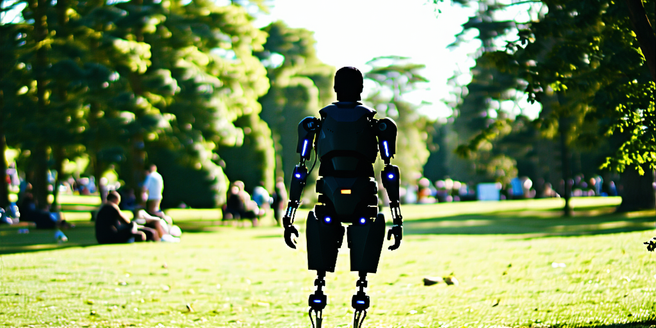
Understanding Sensory Feedback in Prosthetics
Sensory feedback in prosthetics has fundamentally transformed how users interact with their artificial limbs. By integrating technologies that simulate the sensations of touch, heat, and pressure, prosthetic devices can offer a more natural user experience. These sensory inputs are vital for users to perform everyday tasks with precision and confidence. By understanding the neural pathways and utilizing advanced sensors, researchers are able to approximate the sensory feedback that is naturally received by the brain. This feedback loop is essential not just for functionality, but also for the psychological well-being of individuals, helping them feel more connected to the prosthesis.
The Science Behind Neural Integration
Neural integration is pivotal in the development of advanced prosthetic devices, enabling them to communicate directly with the nervous system. The process involves interfacing electronic components of a prosthetic with the body’s neural networks, allowing for seamless control and sensory perception. Researchers utilize neural mapping techniques to ensure precise interaction between the prosthetic and the user’s brain. This integration facilitates more natural movements and enhances the perception of external stimuli, thus bridging the gap between man and machine. Understanding the complexities of neural integration is fundamental for improving the effectiveness of prosthetic devices, making them more intuitive for the user.
Technological Breakthroughs in Prosthetic Design
The field of prosthetic design has witnessed significant technological advancements, revolutionizing how artificial limbs are perceived. Innovations such as lightweight materials, responsive sensors, and 3D printing have allowed for the customization and optimization of prosthetics. Researchers focus on creating designs that closely replicate the natural movement and appearance of limbs. By focusing on biomechanics and user ergonomics, designers aim to improve comfort and functionality. Additionally, the incorporation of smart technologies enables real-time data analysis to enhance user experience. These breakthroughs are essential in developing prosthetics that are not only functional but also aesthetically pleasing.
Enhancing Tactile Perception in Users
Enhancing tactile perception in prosthetic users has been a key area of research, aiming to provide users with a sense of touch akin to natural limbs. Through the integration of advanced tactile sensors and neural feedback systems, users are able to discern textures and temperatures. This is achieved by transmitting accurate sensory information to the brain, mimicking the feedback received by natural skin. The development of this technology relies on multidisciplinary collaboration, encompassing neurobiology, engineering, and materials science. As a result, users can perform tasks requiring delicate manipulation, which was previously challenging with traditional prosthetics.
Real-World Applications and Case Studies
Real-world applications of advanced prosthetics extend beyond individual use, impacting various sectors such as healthcare and rehabilitation. Case studies highlight the transformative effect these devices have on users, from veterans regaining mobility to individuals participating in high-performance sports. Innovations in prosthetic technology are also being applied in surgical procedures and physical therapy settings, offering new possibilities for patient care. As technology continues to evolve, the integration of artificial intelligence in prosthetics holds promise for even greater customization and functionality. These applications serve as testimonies to the life-changing potential of advanced prosthetics. Insights gained from real-world usage continue to drive further advancements and inspire new directions in prosthetic research and development.
Future Directions in Prosthetic Innovations
The future of prosthetic innovations holds exciting possibilities, driven by cutting-edge research and emerging technologies. Key areas of exploration include neuroplasticity, AI integration, and bioengineering, paving the way for more adaptive and self-learning prosthetics. These advancements aim to create devices that not only mimic but also enhance natural human functions. Collaboration between clinicians, engineers, and scientists is crucial in pushing the boundaries of what prosthetic technology can achieve. As societal and environmental needs evolve, the focus will be on developing sustainable and widely accessible solutions, ensuring that advanced prosthetic technology benefits a broader range of users worldwide.