Tech Solutions For Water Conservation
Innovative Irrigation Systems
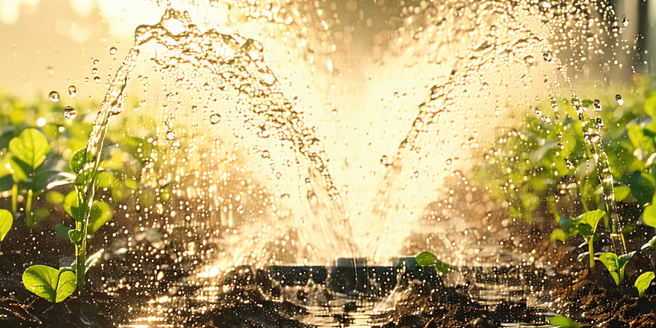
Modern irrigation systems are revolutionizing how we conserve water in agriculture. Technologies such as drip irrigation and low-energy precision application help minimize water loss, delivering water directly to the plant roots with high efficiency. These systems reduce evaporation and runoff, ensuring optimal water use. Advanced sensors and automation can further enhance these systems by adjusting water delivery based on weather conditions, soil moisture levels, and plant needs. By leveraging these innovations, farmers not only save water but also improve crop yields, contributing to sustainable agriculture. Implementing these systems on a larger scale could play a critical role in addressing global water scarcity, as agriculture accounts for a significant portion of water use worldwide. Education and financial incentives are key to encouraging widespread adoption of these cutting-edge irrigation methods.
Smart Water Management Tools
Smart water management tools are transforming how municipalities and industries approach water conservation. These tools include devices and software that provide real-time data, such as water flow, usage patterns, and pressure monitoring. By analyzing this data, stakeholders can quickly identify leaks, optimize water usage, and implement evidence-based conservation strategies. Automated meter reading and advanced leak detection technologies ensure timely interventions, reducing water waste significantly. Moreover, smart systems enable users to adjust water management responses remotely, facilitating efficient resource distribution even in times of crisis. As urbanization continues to grow, integrating smart water management tools into infrastructure plans is becoming increasingly essential to ensure sustainable water use in cities and industrial sectors. Such tools are pivotal in enhancing water sustainability and operational efficiency.
AI and Machine Learning in Water Conservation
Artificial Intelligence (AI) and machine learning are offering unprecedented opportunities in water conservation. These technologies enable the analysis of vast amounts of data from various sources, including weather forecasts, usage statistics, and sensor networks. By leveraging AI, water management systems can predict demand patterns, optimize distribution networks, and forecast potential shortages or surpluses. Machine learning algorithms can improve decision-making processes, identifying the most efficient practices and suggesting innovative solutions. Additionally, AI-driven models can simulate different scenarios, helping policymakers design more effective water conservation strategies. As these technologies advance, they hold the potential to transform traditional water management approaches, leading to smarter, more sustainable use of this precious resource, particularly in areas prone to drought or water scarcity challenges.
IoT Devices for Efficient Water Use
The Internet of Things (IoT) is playing a pivotal role in optimizing water use efficiency. IoT devices, such as smart sensors, connected meters, and automated controllers, provide real-time data and remote visibility into water systems. These technologies can detect leaks, monitor soil moisture, and control irrigation with precision. Homeowners and businesses can adjust their water usage habits based on insights from IoT-enabled systems, reducing waste and promoting conservation. The integration of IoT with existing infrastructure allows for smarter water resource management, aiding in demand forecasting and distribution balancing. As the technology continues to evolve, it offers immense potential for sustainable urban planning and agriculture, empowering individuals and organizations to make informed decisions and significantly reduce water consumption.
Data-Driven Approaches to Water Savings
Data-driven approaches are at the forefront of modern water conservation efforts, offering insights that lead to more efficient usage. By harnessing data analytics, communities and businesses can track water consumption patterns, identify inefficiencies, and implement targeted conservation measures. Advanced analytics can uncover hidden trends, such as peak usage times or areas with high wastage, enabling more strategic resource allocation. Furthermore, data visualization tools make complex information accessible, facilitating better understanding and decision-making. As digital water meters and smart infrastructure become more prevalent, the reliance on comprehensive data analysis is growing. By adopting a data-centric approach, stakeholders can ensure sustainable water management practices that adapt to both current needs and future demands, ultimately contributing to long-term resource preservation.
Emerging Technologies in Water Recycling
Emerging technologies in water recycling are paving the way for more sustainable water management. Advancements in membrane filtration, such as reverse osmosis and nanofiltration, are enhancing the efficiency of water purification processes. These technologies enable the recycling of wastewater for non-potable applications, reducing the demand for freshwater resources. Additionally, innovations like biofiltration and UV disinfection are ensuring that treated water meets safety standards. Businesses and municipalities adopting water recycling technologies benefit from cost savings and reduced environmental impact. As the global population and water scarcity pressures increase, these technologies offer practical solutions to extend the life cycle of water. Encouraging the integration of water recycling systems into existing infrastructure is essential to achieve resilience and sustainability in water resource management.