Influence Of Robotics
The Evolution of Robotics in Modern Industry
Over the years, robotics have profoundly transformed the industrial landscape. With the advent of automation, industries have seen a dramatic shift in how tasks are executed, leading to increased efficiency and precision. Robots now perform repetitive, high-risk jobs, reducing human error and workplace injuries. Furthermore, advancements in artificial intelligence have enabled robots to perform complex tasks that require decision-making and adaptability, allowing for greater innovation in manufacturing processes. As a result, industries can produce higher quality products at a lower cost, reducing barriers for small and medium enterprises. The adoption of robotics is not only enhancing productivity but also reshaping the workforce, with an increased demand for skilled workers to manage and maintain robotic technologies.
How Robotics is Shaping Healthcare Innovations
In healthcare, robotics is playing a pivotal role in advancing medical procedures and patient care. Surgical robots enhance precision during complex surgeries, resulting in shorter recovery times and fewer complications. Telepresence robots enable doctors to connect with patients remotely, breaking geographical barriers to access quality care. These advancements have revolutionized how healthcare is delivered across the world. Robotic exoskeletons offer new hope for patients with mobility challenges, aiding rehabilitation and improving quality of life. Additionally, automated systems streamline hospital workflows, from medication dispensing to patient monitoring, allowing healthcare professionals to focus more on direct patient care. Innovations in robotic technologies continue to push the envelope, improving diagnostic accuracy and treatment outcomes, ultimately leading to more personalized and efficient healthcare solutions.
The Role of Robotics in Educational Transformation
Robotics is revolutionizing the educational landscape by providing interactive and engaging learning experiences. With robots facilitating subjects like coding and STEM, students gain hands-on experience in problem-solving and critical thinking. Educational robots offer personalized learning pathways, adapting to each student’s pace and learning style, which enhances their overall grasp of complex topics. The use of robotics also encourages students to develop a curiosity for learning, making education a more dynamic process. Robotics competitions foster collaboration and innovative thinking, inspiring students to explore careers in technology and engineering. Moreover, teachers benefit from robotic assistants that aid in delivering lessons and managing classroom activities. As technology advances, the integration of robotics in education is shaping a new generation of learners, better equipped to tackle future technological challenges and contribute meaningfully to society.
Robotic Advancements in Environmental Sustainability
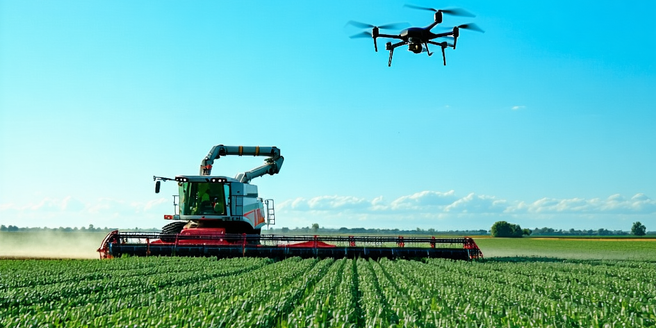
Robots are at the forefront of promoting environmental sustainability through their ability to perform tasks that preserve natural resources and reduce waste. Drones are used for precision agriculture, optimizing water usage and reducing chemical runoff by applying fertilizers only where needed. Autonomous robots assist in reforestation efforts, planting trees in areas difficult for humans to access. Robots also play a crucial role in waste management, sorting and recycling materials with high accuracy, minimizing pollution and conserving energy. In the energy sector, robots maintain and repair installations like wind turbines and solar panels, ensuring their efficient operation. These technological advancements highlight the potential for robotics to support sustainable practices and contribute to a greener future.
The Future of Robotics in Everyday Life
As robotics technology continues to progress, the integration of robots into everyday life is becoming more prevalent. Home robots are simplifying daily chores, from cleaning floors to assisting with meal preparation, granting individuals more leisure time. Social robots are providing companionship and support, particularly for the elderly and children, fostering emotional connections and improving mental health. Personal assistants, powered by AI, manage schedules, and control smart home devices, enhancing convenience and efficiency. In transportation, autonomous vehicles promise to revolutionize mobility, providing safer and more efficient travel options. The seamless integration of robotics into our daily routines holds the promise of enhanced quality of life, increased convenience, and new possibilities in personal and social interactions.