Trends In Collaboration Technology
The Rise of Remote Work Tools
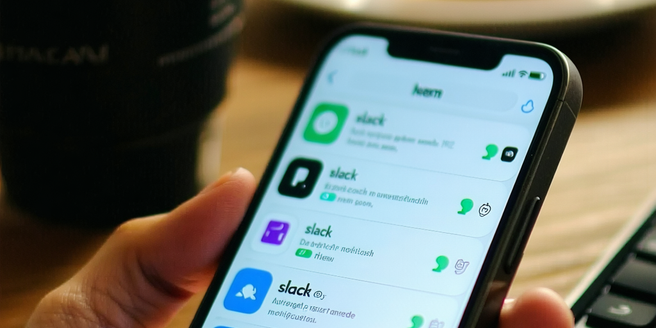
As organizations increasingly embrace remote work, the demand for effective remote work tools has surged. These tools facilitate seamless communication, file sharing, and task management across teams globally. From video conferencing platforms to project management software, technology has enabled employees to collaborate efficiently from diverse locations. The pandemic accelerated adoption, making remote work tools essential for maintaining productivity and connectivity. Video conferencing software, like Zoom, has replaced face-to-face meetings, while Slack and Microsoft Teams serve as central hubs for team collaboration. The rise of remote work tools signifies a shift towards more flexible work environments, allowing companies to tap into a global talent pool, reduce overhead costs, and promote work-life balance, all while maintaining operational efficiency.
Integration and Interoperability of Platforms
With a multitude of collaboration tools available, the need for integration and interoperability becomes crucial. Companies are investing in technology that allows various platforms to work seamlessly together, creating a unified digital ecosystem. Integration minimizes the challenges of juggling multiple tools and enhances efficiency by allowing data to flow freely between systems. Interoperable platforms enable employees to collaborate across different software with ease, bridging gaps in communication and functionality. This not only reduces operational bottlenecks but also improves user experience by providing a streamlined workflow. As businesses continue to adopt new technologies, the ability to integrate and ensure interoperability among platforms will become a competitive advantage, driving innovation and efficiency within collaborative environments.
AI and Automation in Collaboration
The advent of AI and automation is reshaping how teams collaborate, driving efficiency, and productivity. AI-driven tools are increasingly being integrated into collaboration platforms to automate routine tasks, provide insights through data analysis, and enhance decision-making processes. They enable personalized user experiences by suggesting relevant content, scheduling meetings, or even managing documentation. Automation eliminates repetitive tasks, freeing up employees to focus on more strategic and creative activities. Moreover, the integration of AI with machine learning algorithms can predict project outcomes, helping teams to mitigate risks before they arise. As AI technologies continue to advance, their role in collaboration will expand, leading to smarter, more efficient workflows. These advancements promise to transform collaborative environments, making them more intelligent and adaptive to users’ needs.
The Role of Virtual and Augmented Reality
Virtual and Augmented Reality (VR and AR) are breaking new ground in collaboration technology by offering immersive environments that enhance remote interactions. VR enables the creation of virtual spaces where team members can meet, brainstorm, and interact as if they were in the same physical location. AR, on the other hand, overlays digital information onto the real world, providing additional context and visual aids. These technologies are not only transforming industries but also creating new opportunities for innovation and growth. These technologies offer innovative solutions for training, design, and problem-solving, where spatial understanding is crucial. As VR and AR tools become more accessible, they will redefine remote collaboration, providing more engaging and effective ways for teams to connect and work together.
Future Trends: Increased Security and Privacy Measures
As collaboration tools evolve, ensuring security and privacy becomes paramount. With sensitive information being shared across platforms, companies are prioritizing advanced security measures to protect data integrity and privacy. This includes end-to-end encryption, multi-factor authentication, and robust access controls. As more businesses transition to digital workspaces, the demand for secure collaboration tools is growing rapidly. Future trends suggest a greater emphasis on developing tools that adhere to stringent security standards while maintaining ease of use. As cyber threats become more sophisticated, collaboration technology must evolve to address these challenges. Increased focus on security not only safeguards user data but also builds trust and confidence in digital collaboration environments, making them more reliable and secure for business operations.