Health Monitoring Revolution
The Rise of Wearable Health Technology
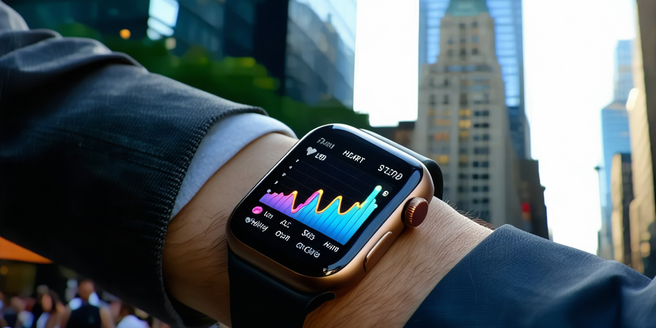
Wearable health technology is redefining personal health monitoring. Devices like smartwatches and fitness trackers collect data on heart rate, physical activity, and sleep patterns, providing users with valuable insights into their health. These gadgets empower individuals to take charge of their health, promoting proactive lifestyle changes. The integration with smartphones and health apps further enhances their utility, allowing for personalized health tracking and goal setting. With the ability to share data with healthcare providers, wearables are bridging the gap between patients and professionals, fostering more informed decision-making. Continued innovation in sensor technology and data analytics promises to make wearables more precise and comprehensive, paving the way for a future where health monitoring is seamless, efficient, and accessible to all, ultimately leading to improved health outcomes globally.
Real-Time Data: Transforming Patient Care
Real-time data collection is at the forefront of transforming patient care. Through the use of connected devices and IoT systems, healthcare providers now have unprecedented access to dynamic health information. This real-time monitoring enables swift responses to any irregularities or emergencies, ensuring timely intervention. Continuous data flow assists in personalized treatment planning, reducing hospital readmissions, and improving patient outcomes. For instance, real-time glucose monitors for diabetics allow instant adjustments to insulin therapy, preventing complications. Moreover, real-time data aids in enhancing preventive care, as patterns can be analyzed to predict potential health issues. As technology advances, the integration of real-time data systems will become even more vital in delivering efficient, responsive, and patient-centered care across healthcare landscapes.
Telemedicine: Expanding Access to Healthcare
Telemedicine is revolutionizing the accessibility of healthcare services, especially for individuals in remote and underserved regions. By utilizing digital communication tools, patients can consult healthcare professionals without the need for physical travel. This reduces the burden on healthcare systems and minimizes exposure to infectious diseases, as consultations occur remotely. Telemedicine also supports continuity of care, as patients can easily follow up with specialists and access their medical records online. Moreover, it caters to those with mobility challenges, ensuring that healthcare remains accessible for all. As high-speed internet and advanced technologies become more widespread, telemedicine is set to expand further, providing a scalable solution to the global challenge of healthcare accessibility and reducing disparities in healthcare delivery.
AI and Big Data: Predictive Health Monitoring
Artificial Intelligence (AI) and Big Data are key drivers in the evolution of predictive health monitoring. By analyzing vast datasets, AI algorithms can identify patterns and predict potential health issues before they become critical. This proactive approach allows for early intervention, ultimately improving patient outcomes and reducing healthcare costs. For example, predictive analytics can forecast the likelihood of diseases such as diabetes or heart conditions, enabling preventative measures to be put in place. The synergy of AI with wearable technology enhances continuous monitoring capabilities, providing real-time insights into a patient’s health status. As data analytics technology advances, predictive health monitoring will continue to evolve, offering healthcare providers powerful tools to anticipate and manage health more effectively, ushering in a new era of personalized medicine.
Privacy Concerns in Health Data Management
As health data becomes increasingly digital, privacy concerns are paramount. The sensitive nature of health information demands robust protection mechanisms to prevent unauthorized access and breaches. With wearable devices and health apps collecting vast amounts of personal data, ensuring data security becomes a critical challenge. Regulatory frameworks like HIPAA in the United States aim to safeguard patient privacy, but the rapid evolution of technology requires constant updates to these standards. Transparency with users on how their data is used, robust encryption methods, and strong authentication processes are essential in maintaining trust. As AI and big data continue to impact healthcare, addressing privacy concerns remains crucial in fostering user confidence and encouraging the adoption of health technology solutions.