Wearable Tech: Enhancing Fitness Routines
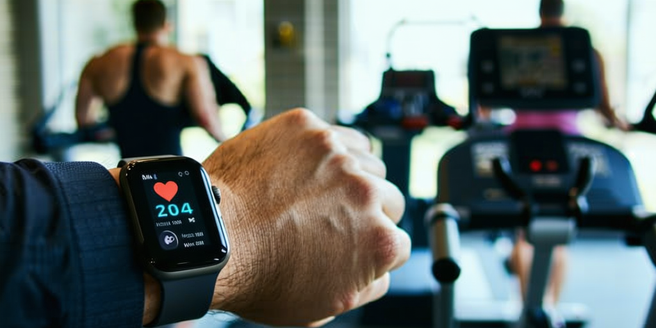
The Rise of Wearable Fitness Technology
Wearable technology has transformed the fitness industry by offering athletes and fitness enthusiasts advanced tools to track, monitor, and enhance their fitness journeys. Devices like fitness trackers, smartwatches, and activity monitors have become ubiquitous, providing real-time data and insights into physical activity, heart rate, sleep patterns, and more. This growth in wearable fitness technology enables individuals to set clear and measurable goals, track progress over time, and gain a deeper understanding of their health metrics. With the increased availability of these devices, people can personalize their fitness routines like never before. Wearable tech fosters a greater awareness of fitness habits and encourages users to lead healthier lifestyles by providing easy access to data and connectivity to health-focused apps. As technology continues to innovate, the rise of wearable fitness devices seems poised to accelerate further.
Key Features of Modern Fitness Wearables
Modern fitness wearables boast various features that cater to diverse fitness needs. One of the standout features is real-time heart rate monitoring, which allows users to assess their cardiovascular health and exercise intensity. GPS tracking is crucial for those who enjoy outdoor activities like running or cycling, providing detailed maps of routes taken. Many wearables now have water-resistant capabilities, making them suitable for swimming and other water-based exercises. Additionally, fitness wearables often offer sleep tracking, helping users understand sleep patterns and improve sleep quality. Integration with mobile apps allows for the visualization of data, goal setting, and social sharing. Long battery life is also becoming a standard feature, enhancing usability and convenience. With constant advancements in technology, these devices continue to offer more personalized and effective ways to monitor and improve health and fitness.
Integrating Wearables into Your Workout
Integrating wearables into your workout routine can optimize fitness outcomes and streamline exercise sessions. To get started, select a wearable that suits your specific fitness goals, whether it’s tracking runs, counting steps, or monitoring heart rate. Once equipped, use the device’s app to set achievable goals and track progress over time. Wearables offer convenient real-time tracking, allowing you to adjust the intensity or duration of your workout as needed. By providing instant feedback, these gadgets help you maintain the right intensity levels to maximize calorie burn, increase endurance, or build strength. Pairing wearables with social features can motivate you through challenges and community support. Incorporating wearables seamlessly into gym routines, yoga sessions, or home workouts can lead to more structured and efficient exercise practices, ultimately enhancing performance and supporting a healthy lifestyle.
Benefits and Challenges of Wearable Tech
Wearable technology in fitness offers numerous benefits, such as real-time health monitoring, motivation through data, and personalized fitness insights. Wearables empower users to track physical activity, heart rate, and even stress levels, allowing for a deeper understanding of one’s health. They provide motivation by setting goals and achieving milestones, which can boost users’ commitment to regular exercise. However, challenges also arise with the integration of wearable tech. Data accuracy can sometimes be compromised, leading to misinformation and misinterpretation of health metrics. Additionally, the cost and technological barriers may exclude certain individuals from accessing advanced functionalities. Privacy concerns also surface with data sharing, necessitating informed consent and secure data handling practices. Balancing these benefits with potential challenges is crucial for maximizing the positive impact of wearable technology on personal fitness.
Future Trends in Wearable Fitness Devices
The future of wearable fitness devices is likely to be shaped by technological advancements and increased personalization. One promising trend is the incorporation of artificial intelligence to provide predictive analytics for better health forecasting. Enhanced biometric sensors will allow for more accurate data on metrics like hydration levels, glucose monitoring, and oxygen saturation. Wearable devices are expected to become even more integrated into daily life, with increased interconnectivity with smart home devices and fitness equipment. Customization through modular designs could allow wearables to adapt to various activities and personal styles. Sustainability is also playing a growing role, with an emphasis on eco-friendly materials and energy-efficient designs. As these technologies advance, the focus will be on creating seamless user experiences that provide meaningful insights and encourage healthier lifestyles through innovative, accessible, and personalized approaches.