Wearables Powering Real-time Personal Data
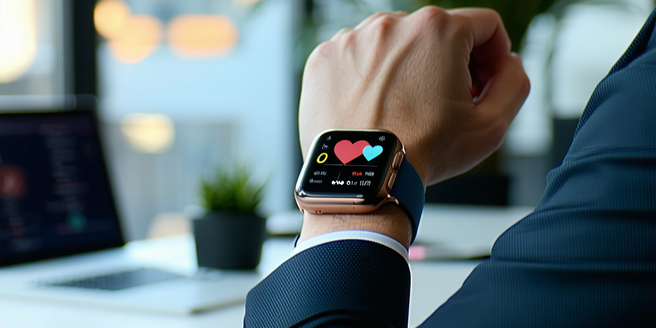
Introduction to Wearable Technology Advancements
Wearable technology has quickly evolved from simple fitness trackers to sophisticated health monitoring systems. These devices not only keep track of steps and calories but also measure heart rates, sleep patterns, and even stress levels. With improved sensor accuracy and advanced algorithms, wearable tech is transforming personal health management. Integration with smartphones and cloud-based data analytics provides users with actionable insights, fostering healthier lifestyles. As technology progresses, wearables are being designed to be more comfortable and user-friendly, while their functions continue to expand. Developers are focusing on making these devices more intuitive with enhanced connectivity and interoperability. It is clear that wearables will continue to play a vital role in monitoring health, guiding wellness journeys, and even aiding in medical diagnostics, marking a significant advancement in personal health technology.
The Importance of Real-time Data in Modern Health
Real-time data collection is revolutionizing the healthcare industry by offering instantaneous insights into an individual’s health status. Wearables have made it possible to gather and analyze data continuously, providing immediate feedback to users and healthcare providers. This technology empowers individuals to take a proactive role in managing their health. This constant stream of information allows for timely interventions and personalized health recommendations, enhancing preventive care. With real-time data, anomalies or irregular patterns can be detected promptly, potentially averting health crises. Moreover, this data informs healthcare professionals about trends and treatment efficacy, improving patient outcomes. As electronic health records increasingly integrate with wearable data, the accessibility and utility of this information become even more impactful, making real-time data a cornerstone of modern health practices.
How Wearables Enhance Fitness Tracking
In the realm of fitness tracking, wearables have set new standards by providing detailed data and comprehensive insights. Unlike traditional pedometers, modern fitness wearables track various metrics such as heart rate, VO2 max, and recovery times, offering a holistic view of physical activity. They help users tailor workouts to meet specific goals, whether it’s improving endurance or building strength. These devices synchronize with apps to track performance trends and provide motivational feedback. Some wearables even offer guided workouts and personalized training programs. With the ability to share achievements on social media, users find additional encouragement to stay engaged and committed to their fitness journeys. Such advanced features make wearables indispensable tools for anyone serious about optimizing their fitness routines.
Wearables and Their Impact on Sleep Monitoring
Wearables have made significant contributions to understanding and improving sleep health by tracking various aspects of sleep, including duration, quality, and cycles. Equipped with sophisticated sensors, these devices monitor movements and physiological signals like heart rate variability, providing insights into sleep patterns. This data helps users identify disruptions and improve sleep hygiene. The technology is continuously evolving, offering more detailed and accurate data with each advancement. Modern wearables also offer features like smart alarms, which wake users during light sleep stages, enhancing restfulness. By analyzing trends over time, users can make informed lifestyle changes to improve their sleep quality. Furthermore, researchers and clinicians leverage this data to study sleep disorders and optimize treatments, highlighting the pivotal role wearables play in sleep health management.
Future Trends in Wearable Tech and Personal Data
As wearable technology continues to evolve, several exciting trends are shaping its future. One such trend is the integration of artificial intelligence and machine learning to enhance data interpretation and provide more personalized insights. Another is the development of flexible and non-invasive sensors, which promise to improve comfort and wearability. The expansion of functionalities like blood glucose monitoring and hydration tracking is anticipated. Moreover, the emergence of smart clothing and accessories is broadening the application of wearables beyond traditional wrist-worn devices. Privacy and data security remain crucial as wearables collect sensitive personal information. Industry players are prioritizing secure data practices to protect users. The convergence of these trends signals a dynamic future, where wearables will become an even more integral part of personal health and lifestyle management.