Virtual Reality Headsets For Enhanced Collaboration
Understanding the Basics of Virtual Reality Headsets
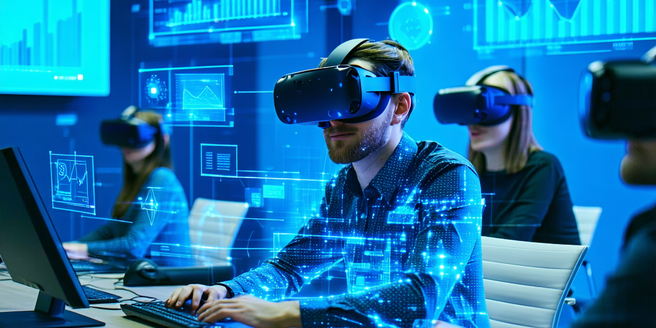
Virtual reality headsets serve as the gateway to immersive digital environments. Built with advanced sensors and displays, they transport users into simulated worlds, providing an unparalleled experience of presence. Understanding the components, such as gyroscopic sensors for movement tracking and OLED displays for vivid visuals, is essential to appreciate their effectiveness. VR headsets vary in design, from tethered models requiring powerful PCs to standalone devices offering untethered mobility. As these technologies advance, so too does their potential for enhancing various applications, particularly in collaborative settings. By leveraging the realism and interactivity offered by VR, teams can work together more effectively, regardless of physical location. The basics of virtual reality headsets lay the groundwork for understanding their broader impact on communication and collaboration.
The Role of VR in Remote Workspaces
Virtual reality is revolutionizing remote work by bridging the gap between physical and digital workspaces. In a remote setting, VR can create a sense of presence, making colleagues feel as though they are working side-by-side despite miles apart. With VR, virtual meetings become more immersive and interactive, fostering better engagement and team cohesion. Beyond meetings, VR enables collaborative design and brainstorming sessions in 3D spaces, providing a deeper level of interaction. The adoption of VR in remote work also extends to training programs, offering hands-on experiences in a virtual environment. As companies continue to embrace flexible work arrangements, VR stands to play a crucial role in enhancing communication, productivity, and collaboration among dispersed teams. The advent of VR in remote workspaces marks a shift towards more connected and efficient working models.
Top VR Headsets for Team Collaboration
Selecting the right VR headset is crucial for effective team collaboration. Among the top choices is the Oculus Quest 2, known for its affordability and ease of use, making it ideal for spontaneous collaboration. For those seeking high-fidelity visuals, the HTC Vive Pro offers superior graphics and spatial audio, enhancing immersive experiences. Another contender is the Valve Index, boasting impressive refresh rates and a wide field of view, enabling natural teamwork interactions. Meanwhile, PlayStation VR suits teams looking to incorporate gaming in team-building exercises. Each of these headsets provides unique benefits suitable for various collaborative applications. By selecting a headset that aligns with specific team needs and technical requirements, organizations can facilitate seamless and engaging collaborative experiences. These top VR headsets highlight the potential for enriched communication and teamwork in virtual spaces.
Case Studies: Successful VR Collaboration Examples
Companies across various sectors are harnessing virtual reality to elevate their collaboration efforts. One notable example is a multinational architecture firm using VR for immersive design reviews, enabling teams to visualize and modify structures in real-time. In the entertainment industry, a film production company employed VR to create remote set designs, saving time and resources while maintaining creative integrity. Another case is a global manufacturing corporation utilizing VR training programs to upskill employees globally, leading to improved performance and reduced travel costs. These case studies illustrate the transformative impact of VR on team dynamics, promoting innovation and efficiency. By leveraging virtual environments, organizations can overcome geographical barriers, enhance communication, and drive successful collaborative outcomes. These examples demonstrate the wide-ranging applications of VR technology in various industries.
Challenges and Limitations of VR in Collaboration
Despite its promising potential, virtual reality in collaboration presents several challenges and limitations. The high cost of VR hardware and the need for technological infrastructure can be a barrier for some organizations. There are also issues related to user comfort and ergonomics, as prolonged VR use can lead to discomfort or motion sickness. Furthermore, the learning curve associated with mastering VR technology may hinder swift adoption. In terms of software, the lack of standardization can lead to compatibility issues across platforms. Privacy and security concerns also arise, particularly when sensitive information is shared in virtual environments. These challenges necessitate careful consideration and strategic planning when integrating VR into collaborative workflows. Nonetheless, addressing these limitations through innovation and adaptability may unlock the full potential of VR in team collaboration.
Future of Virtual Reality in Collaborative Environments
The future of virtual reality in collaborative environments promises exciting advancements that could reshape the way we work and interact. As VR technology continues to evolve, we can expect more lightweight, comfortable, and affordable headsets, making it accessible to wider audiences. Improvements in artificial intelligence and machine learning are anticipated to enhance VR interactions, allowing for more intuitive user experiences. Additionally, the development of more realistic avatars and environments could make virtual spaces indistinguishable from physical ones. Looking ahead, VR could seamlessly integrate with other emerging technologies like augmented reality and the Internet of Things, further blurring the lines between real and virtual workspaces. As organizations continue to seek effective collaboration solutions, the role of VR in fostering innovation, creativity, and global connectivity is set to expand, marking a new era of collaborative potential.