Fitness Trackers For Health Monitoring
Understanding Fitness Tracker Features
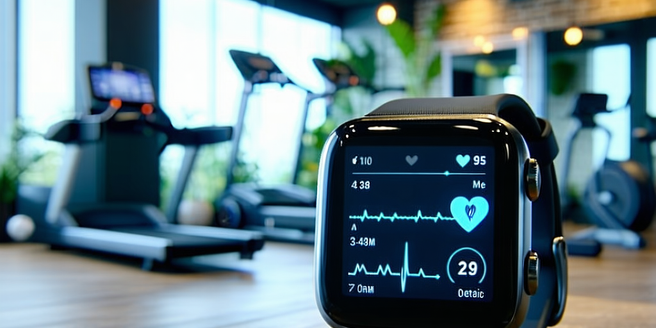
Understanding fitness tracker features is essential to select a device that meets your health goals. Many trackers offer basics like step counting and heart rate monitoring, but advanced features such as GPS tracking, sleep analysis, and even blood oxygen level monitoring are available. Knowing the differences helps you choose what’s necessary for your lifestyle. For instance, athletes may prioritize GPS and VO2 max metrics, while others may focus on sleep monitoring for better rest. These devices also sync with smartphones, providing consistent data monitoring and detailed insights into your daily habits. Evaluate whether you prefer a simple user interface or advanced tech features like smartwatch integration. Understanding these functionalities ensures you maximize benefits and make an informed decision.
Benefits of Using Fitness Trackers
Fitness trackers present numerous benefits for users, from encouraging active lifestyles to providing detailed health insights. By monitoring steps, heart rate, and sleep patterns, trackers offer a comprehensive view of physical health and motivate users to meet daily activity goals. These devices can boost personal accountability, helping users set achievable fitness targets, track their progress, and adjust habits to improve health outcomes. Fitness trackers also enable users to identify trends in health data, facilitating proactive health management and early detection of potential health issues. Additionally, many devices offer social sharing features, allowing users to join challenges or seek support from friends, further enhancing motivation. Overall, fitness trackers serve as valuable tools in the journey towards better health and wellness.
Top Fitness Trackers in the Market
When searching for the best fitness trackers, several brands stand out due to their innovative features and reliable performance. Top contenders include Fitbit, Garmin, and Apple Watch, each offering unique benefits to cater to varying needs. Fitbit devices are known for their comprehensive tracking and user-friendly interfaces, making them ideal for beginners. Garmin excels with its advanced GPS tracking and durability, appealing to athletes and outdoor enthusiasts. The Apple Watch integrates seamlessly with other Apple products, offering additional smart features alongside fitness tracking. Investing time to explore these options can help you determine which model fits your personal preferences and fitness goals. Each of these brands provides distinctive features that can help you reach your health objectives efficiently.
How to Choose the Best Fitness Tracker
Selecting the right fitness tracker involves considering several factors tailored to your specific needs. Begin by identifying the primary functions you seek, such as step counting, heart rate monitoring, or GPS tracking. Assess the tracker’s compatibility with your smartphone or other digital devices for seamless data syncing. Comfort and style are also vital; choose a design that you will enjoy wearing daily. Battery life plays a crucial role, especially for those who prefer less frequent charging or who engage in extended activities. Additionally, evaluate the tracker’s software ecosystem, which can provide crucial insights or community support through features like workout plans or health tips. Properly weighing these aspects will ensure you make a choice that enhances your lifestyle.
Integrating Fitness Trackers into Daily Life
Successfully integrating fitness trackers into daily routines requires consistency and goal setting. Start by wearing the tracker every day and setting clear, achievable goals such as a specific step count or activity duration. Monitor progress regularly to identify patterns or areas for improvement. Synchronize the tracker with a compatible health app to receive comprehensive insights and analytics. Many trackers also feature reminders to encourage users to stay active throughout the day. Engaging in social challenges or sharing milestones with friends can provide additional motivation and accountability. Incorporating these devices into everyday activities, rather than just workouts, aids in maintaining a continuous understanding of health metrics, thereby promoting a balanced and informed approach to personal wellness.