Connected Fitness Equipment
The Rise of Smart Technology in Fitness Equipment
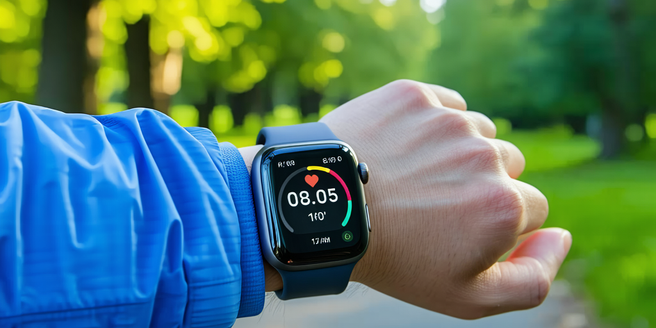
The fitness industry has embraced smart technology, transforming traditional workout equipment into interactive, data-driven machines. Smart technology in fitness equipment includes features like real-time data tracking, interactive coaching, and adaptive workout programs. These advancements enable users to tailor their workouts for optimal results and maintain motivation through engaging platforms. The integration of smart technology also facilitates connectivity with mobile devices and fitness apps, allowing for seamless tracking and sharing of fitness data. As fitness centers adopt these technologies, member experience is enhanced, driving increased interest and growth in the industry. The evolution of fitness equipment underscores the critical role technology plays in shaping modern workout experiences, offering insights and personalized feedback that contribute to better health outcomes and a more dynamic workout routine.
Key Features of Connected Fitness Devices
Connected fitness devices are revolutionizing how we approach physical activity by integrating technology into workout equipment. Key features include internet connectivity, which allows for syncing with fitness apps and social media platforms. Many devices come with built-in displays for streaming live classes, interactive training sessions, and virtual competitions. Additionally, sensors and tracking capabilities monitor heart rate, calories burned, and other vital metrics in real-time. This data is then processed to personalize workout recommendations that align with individual goals and performance levels. The seamless integration of software and hardware in these devices caters to the growing demand for at-home workout solutions, offering a comprehensive and engaging fitness experience. These features enhance user motivation, tracking progress and pushing boundaries towards achieving new fitness milestones.
Benefits of Using Connected Fitness Equipment
The benefits of connected fitness equipment are vast, offering unprecedented access to real-time workout data, personalized exercise plans, and a more engaging workout environment. These devices empower users to monitor progress with precision, allowing for tailored training programs that adjust based on performance metrics. The connectivity feature allows for sharing achievements on social media, fostering a sense of community and competition. This engagement helps to motivate users, encouraging consistent exercise habits and improved fitness levels. Additionally, the ability to access expert guidance and diverse workout programs at any time provides flexibility and convenience. This personalization and accessibility transform the fitness journey into a more rewarding and motivating experience, leading to better results and sustained motivation over the long term.
Popular Connected Fitness Brands and Models
Among the most popular connected fitness brands, Peloton and NordicTrack stand out for their innovative equipment and comprehensive streaming services. Peloton offers treadmills and exercise bikes with live and on-demand classes, bringing the studio experience to user homes. NordicTrack, known for its wide range of equipment, provides interactive personal training via iFit technology. Brands like Tonal and Mirror have also gained popularity, offering compact, tech-driven solutions for strength training and interactive workouts. Each brand employs unique features like touchscreens, heart rate monitoring, and virtual coaching, catering to varied preferences and fitness levels. As these brands continue to innovate, they shape the future of fitness, offering state-of-the-art technology and motivating users to engage more deeply with their fitness routines.
Future Trends in Connected Fitness Technology
Looking ahead, the field of connected fitness technology is set for major advancements. As artificial intelligence continues to evolve, we can expect more refined personalized training programs that adapt to user performance in real-time. Virtual reality may become more prevalent, adding immersive experiences to workouts, while augmented reality could offer real-time form correction and feedback. Moreover, the incorporation of health metrics, beyond basic fitness statistics, will provide comprehensive health insights, aiding in preventative health measures. Wearable technology integration will likely expand, creating a seamless ecosystem of connected devices that work in tandem to optimize health and wellness outcomes. These advancements promise to enhance accessibility, personalization, and the overall efficacy of fitness technology in the coming years.