Water Conservation With Smart Sprinklers
Understanding Smart Sprinkler Technology
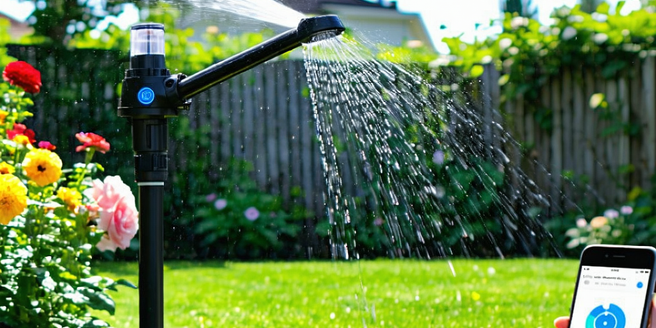
Smart sprinkler systems leverage advanced sensors and machine-learning algorithms to optimize water usage. They connect to weather data and use soil moisture sensors to determine the exact amount of water your garden needs. With WiFi connectivity, you can control the system remotely via a smartphone app, ensuring efficiency regardless of where you are. Some systems integrate with voice-activated assistants for enhanced user convenience. Over time, the technology learns the unique needs of your plants and environmental conditions, delivering precise irrigation schedules. This adaptability not only saves water but also ensures healthier plant growth by preventing over or under-watering. Investing in a smart sprinkler can be both an environmentally and economically sound decision for homeowners looking to take a step towards sustainable garden maintenance.
Benefits of Using Smart Sprinklers for Water Conservation
Smart sprinklers offer multiple advantages for conserving water. They utilize real-time weather forecasts and historical data to avoid watering before or after rainfall, reducing wasteful energy consumption. This ensures that the water is applied efficiently, achieving maximum penetration to the plant roots. By adjusting to specific land requirements, smart sprinklers eliminate the guesswork, maintaining optimal soil moisture levels. As a result, homeowners notice decreased water bills and contribute to broader environmental conservation efforts. Such systems are designed with intuitive interfaces that allow for easy monitoring and adjustments to the irrigation schedule, thereby promoting user engagement and awareness in water management. Smart sprinkler usage leads to more water-conscious communities, fostering sustainable practices in landscaping that have lasting appeal.
How Smart Sprinklers Adjust to Weather and Soil
Smart sprinklers are engineered to adjust irrigation based on dynamic weather patterns and soil conditions. Equipped with sensors, these systems detect rainfall, humidity, and soil moisture levels, ensuring that your landscape receives just the right amount of water. By integrating with local weather stations, they predict rainfall and adapt the watering schedule accordingly. This means no watering during a rainstorm, conserving precious resources and preventing waterlogging in plants. Furthermore, these systems can differentiate soil types, customizing the irrigation flow rate to avoid runoff and wastage. This precision irrigation is key to sustainable water management, as it nurtures plants with the exact water they need for optimal growth, while protecting the environment from the adverse effects of overwatering.
Integrating Smart Sprinklers with Home Automation
Integrating smart sprinklers with home automation enhances convenience and efficiency. By connecting to a centralized home system, smart sprinklers can interact with other smart devices for coordinated home management. This allows for automatic adjustments based on set programs, such as watering at dawn when energy and evaporation rates are low. Integration supports voice-activated commands, enabling hands-free operation through virtual assistants like Alexa or Google Home. Homeowners gain remote access, scheduling irrigation cycles from anywhere in the world using a smartphone or tablet app. This seamless integration not only streamlines household tasks but optimizes energy usage and water conservation. As home automation evolves, these systems become increasingly sophisticated, offering comprehensive solutions for eco-friendly and efficient home and garden management.
Choosing the Right Smart Sprinkler System for Your Garden
Selecting an appropriate smart sprinkler system for your garden involves assessing specific requirements such as garden size, plant types, and budget constraints. Start by evaluating the area that needs irrigation and consider systems that offer zone-specific watering, ensuring each garden section receives tailored care. Explore smart features such as weather responsiveness, soil moisture sensors, and app controls for remote management. Look for systems with easy installation and compatibility with your existing home automation setup. Customer reviews and expert recommendations can help in understanding the system’s efficiency and reliability. Consider the brand’s customer support for maintenance needs. Investing in a system that aligns with your garden’s needs can optimize water conservation, enhance plant health, and provide long-term savings on utility costs.