Smart Contacts For Diabetes Management
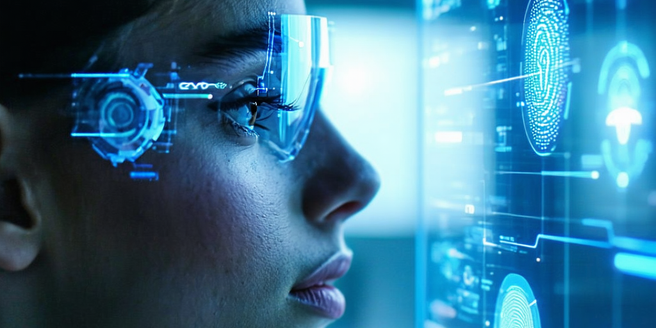
Understanding Smart Contact Lens Technology
Smart contact lens technology integrates advanced sensors into soft, flexible lenses, allowing for continuous health monitoring. Traditionally, contact lenses are used for vision correction, but smart variants expand their purpose by embedding microelectronics. These include glucose sensors that measure tears to determine real-time blood sugar levels, without invasive methods. The lens connects to smartphones via wireless technology, delivering instant data to users and healthcare providers. Coupled with IoT advancements, smart contact lenses provide unprecedented insights into ocular health and systemic conditions, such as diabetes. Currently, research focuses on enhancing sensor accuracy and lens material comfort, which are critical for widespread adoption. As this technology progresses, we can expect increasingly compact designs and more robust battery life, paving the way for real-world applications that redefine personalized healthcare management.
The Role of Glucose Monitoring in Diabetes Care
Routine glucose monitoring is vital for managing diabetes, preventing complications, and ensuring quality of life. Traditionally reliant on finger-prick blood tests, glucose monitoring has evolved significantly with the introduction of continuous glucose monitors (CGMs). These devices provide real-time blood sugar readings through sensors placed on the body, reducing the need for invasive, frequent testing. Maintaining optimal glucose levels helps prevent long-term complications, such as nerve damage, kidney problems, and vision loss. Smart contact lenses build on this concept, offering a non-intrusive, continuous solution by analyzing tear fluid for glucose concentration. This technology aims to simplify the tracking process while providing reliable data, enabling proactive management of diabetes. By integrating automated alerts and medical consultation features, it can revolutionize patient self-management and healthcare response.
How Smart Contacts Revolutionize Diabetes Management
Smart contact lenses offer a revolutionary leap in diabetes management through continuous, non-invasive glucose monitoring. Traditional glucose monitoring methods can be cumbersome and painful, often requiring constant finger-pricking and manual data entry. In contrast, smart contacts streamline the process, measuring glucose levels up to once per second using built-in micro-sensors that analyze tear fluid. This continuous flow of information supports more precise insulin adjustments, reducing the risk of hyperglycemic and hypoglycemic episodes. The data collected syncs wirelessly with smartphones, providing real-time monitoring and analysis that’s easily shared with healthcare providers. This empowers diabetic individuals to take a proactive role in managing their condition. By minimizing the interference in daily activities, smart contact lenses offer a level of convenience and precision in diabetes management that traditional methods cannot match.
Key Benefits of Smart Contacts for Diabetics
Smart contact lenses provide diabetes patients with crucial, real-time blood sugar monitoring without interrupting daily life. Unlike conventional glucose monitoring techniques, these lenses eliminate the pain and inconvenience of finger-prick tests, using micro-sensors to continuously assess glucose levels via tear fluid. This seamless technology offers patients the freedom to maintain routine daily activities while staying informed of their glucose status. It also contributes to better long-term health outcomes by enabling timely adjustments in medication and lifestyle. Another significant benefit is the discreetness of smart lenses, offering a private way to manage diabetes without drawing attention. Their integration with mobile devices facilitates efficient data sharing with healthcare professionals, improving the quality of care decisions. As this technology becomes more accessible, it promises to enhance the autonomy and confidence of those living with diabetes.
Future Innovations in Smart Contact Lens Technology
The future of smart contact lens technology holds promising improvements for diabetes management and beyond. Researchers are exploring novel materials and sensor technologies to make smart lenses even more comfortable and accurate. Energy-efficient designs are in development to extend battery life, ensuring that lenses can function effectively over longer periods. Innovations like augmented reality integration may offer users the ability to visualize data and insights directly through their lenses. Additionally, advancements in biocompatible materials might decrease any risk of irritation, ensuring safer long-term use. Another promising area is the development of multi-analyte sensors, which could track additional chronic conditions, expanding the lenses’ medical applicability. Partnerships between tech companies and healthcare providers will likely accelerate deployment and refine functionality, leading to broader adoption and sharing of health data for comprehensive patient management.