Smart Home Hubs Comparison
Understanding Smart Home Hubs
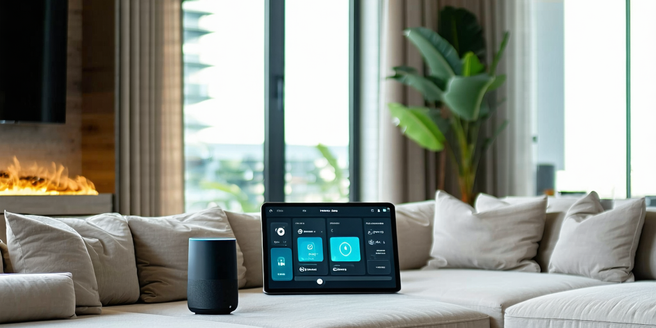
Smart home hubs are central devices that manage and control various smart devices in your home, such as lights, thermostats, and security systems. These hubs serve as the brain of your smart home, allowing different devices to communicate with each other, often through proprietary or industry-standard protocols. The primary function of a smart home hub is to provide a unified interface and automation for connected devices, making home automation seamless and efficient. While some smart devices can operate independently or via cloud services, a hub can facilitate local control, crucial for improving the responsiveness and reliability of your smart home setup. Hubs can also aggregate data from multiple devices, providing insightful analytics and enhancing home automation capabilities. When selecting a smart home hub, it’s important to consider compatibility, ease of use, and the ability to integrate with existing smart home ecosystems.
Top Features to Consider
When choosing a smart home hub, several features stand out as crucial considerations. Firstly, compatibility is key; ensure the hub supports a wide range of devices and protocols, including Z-Wave, Zigbee, and Wi-Fi. Secondly, evaluate the ease of integration and setup, as some hubs offer user-friendly interfaces and straightforward installation processes. Consider the level of automation and customization offered—advanced hubs allow complex automation rules and scene settings. Security is paramount, so opt for hubs with robust encryption protocols to protect your data. Additionally, check for voice control compatibility with assistants like Alexa and Google Assistant for hands-free control. Battery backup is an underrated yet essential feature, keeping your smart home operational during power outages. Finally, explore the support community and manufacturer support to ensure reliable assistance when needed.
Popular Smart Home Hub Options
The market offers a plethora of smart home hub options, each with unique features. One popular choice is the Samsung SmartThings Hub, known for its broad compatibility and user-friendly app interface. It supports a multitude of devices and protocols, including Zigbee, Z-Wave, and Wi-Fi, ensuring extensive connectivity. The Amazon Echo Plus doubles as a hub and smart speaker, featuring built-in voice assistant capabilities. It provides seamless integration with Alexa-enabled devices and supports Zigbee devices without the need for additional equipment. The Google Nest Hub is another favorite, renowned for its powerful Google Assistant integration and a vibrant touch display for video calls and smart device management. It’s perfect for those heavily invested in the Google ecosystem. Other notable mentions include the Hubitat Elevation and Wink Hub, both praised for their local processing and automation prowess.
Compatibility with Devices
Compatibility is a critical consideration when investing in a smart home hub. A hub’s ability to connect with various devices determines the extent and efficiency of your smart home ecosystem. Most hubs act as translators, bridging different protocols such as Zigbee, Z-Wave, and Wi-Fi. It’s essential to check if the hub supports the devices you currently own or plan to purchase. Some hubs come with a list of compatible brands and products, ensuring seamless integration. Additionally, look for hubs that offer compatibility with popular voice assistants like Alexa, Google Assistant, or Apple’s Siri for voice control. If you prioritize future-proofing, consider hubs that receive regular firmware updates and support new technologies as they emerge. Investing in a hub with broad compatibility enhances flexibility and ensures your smart home can grow with technological advancements.
Price and Value Comparison
Pricing is a significant factor when choosing a smart home hub, as costs can vary significantly based on features, brand, and functionality. Basic hubs are available at a lower price point, offering essential connectivity and control features for smart devices. However, investing in a mid-range or premium hub might provide enhanced capabilities like advanced automation, better security, and increased compatibility with various protocols and devices. While initial costs might be higher, these hubs often offer better value in the long run through superior performance and additional features. It is advisable to assess your smart home needs and budget accordingly. Also, consider the long-term costs associated with potential subscription services for cloud features or advanced functionalities. A cost-benefit analysis can help determine the best value hub that aligns with your home automation goals.
Future Trends in Smart Home Hubs
As technology evolves, smart home hubs are continuously advancing to provide better connectivity, control, and integration. One future trend is the growing emphasis on local processing, reducing dependency on cloud services and enhancing security and response times. The integration of artificial intelligence is also anticipated, allowing hubs to learn user preferences and automatically adjust smart devices to improve comfort and efficiency. Another trend is the increased adoption of smart home standards like Matter, designed to unify disparate protocols and simplify device interoperability. Voice recognition capabilities are set to become more sophisticated, offering more intuitive and natural interactions with smart home systems. Additionally, expect to see advancements in energy management, with hubs providing insights into energy consumption and optimizing device usage patterns for sustainable living. These trends promise a more seamless, intelligent, and efficient smart home experience.