Smart Displays: Voice Assistance
Understanding Smart Displays: A Brief Overview
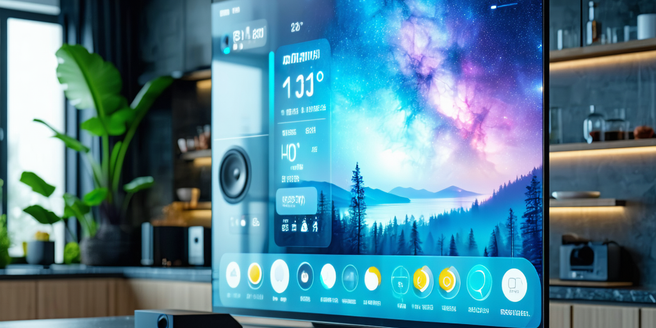
Smart displays are rapidly gaining traction as an essential component of the modern smart home. These devices combine the functionalities of a speaker and a visual display, allowing users to interact with their voice assistants in more engaging and intuitive ways. With the ability to show visual information, smart displays can provide weather forecasts, recipes, video calls, and much more. The integration of voice assistance technology transforms these displays into a central hub for managing smart home devices, streaming media, and even supporting virtual assistants in the workplace. They serve as an ideal interface for users who seek a more interactive and accessible way to stay connected with their digital environment.
The Evolution of Voice Assistance Technologies
Voice assistance technologies have evolved significantly since their inception. Initially, they were simple voice recognition systems, capable of executing basic commands. However, with advancements in artificial intelligence and natural language processing, these technologies have become more sophisticated, enabling complex interactions and personalized experiences. In recent years, voice assistants have expanded beyond standalone devices and are increasingly integrated with a wide array of products, including smartphones, cars, and smart home devices. This evolution has seen voice assistants become more capable of understanding context, recognizing different voices, and providing tailored responses based on user preferences, thereby enhancing their effectiveness and utility in everyday life.
Key Features of Modern Smart Displays
Modern smart displays boast a range of features that cater to various user needs. High-resolution screens ensure clear visuals for video content, while superior audio systems provide quality sound for music and calls. Many smart displays come with built-in cameras, supporting video conferencing and home security functions. Touchscreen capabilities make interaction intuitive and user-friendly. Advanced models offer smart home integration, enabling users to control lights, thermostats, and other connected devices directly from the display. Additionally, the incorporation of virtual assistants allows for voice-controlled operation, making access to information and services convenient and hands-free. These features collectively make smart displays an indispensable tool for home and office environments.
How Voice Assistants Enhance Daily Living
Voice assistants have become an integral part of daily living, simplifying tasks and offering hands-free convenience. They help users manage their schedules by setting reminders, alarms, and providing weather updates. In the kitchen, voice assistants can offer recipe suggestions, timers, and measurements, making cooking more efficient. They also facilitate communication through easy voice-activated calls and messages. In smart homes, voice assistants contribute to energy efficiency and security by controlling lights, thermostats, and surveillance systems. Moreover, their ability to learn user preferences over time allows for increasingly personalized experiences, thus enriching their usefulness and making them an invaluable companion in our fast-paced world.
Comparing Popular Smart Display Options
When choosing a smart display, consumers have several popular options to consider, each offering unique features and capabilities. Devices like Amazon Echo Show and Google Nest Hub lead the market with their integration of Alexa and Google Assistant, respectively. Echo Show emphasizes compatibility with Amazon services, while Nest Hub provides seamless integration with Google services. Apple’s HomePod, though primarily an audio device, offers impressive sound quality and works well within the Apple ecosystem. Each option varies in screen size, audio quality, and smart home compatibility, allowing users to select a device that best fits their lifestyle and existing technology environment. Users should consider these factors and how well each device aligns with their specific needs.
Future Trends in Smart Display Innovations
The future of smart displays holds exciting possibilities as technology continues to advance. One emerging trend is the incorporation of augmented reality (AR) features, providing immersive experiences and interactive content right on the display. Voice recognition and AI will become even more refined, enabling more natural and seamless interactions. There is also a growing focus on privacy, with new advancements aiming to enhance data protection and user control over personal information. Furthermore, the integration of health monitoring tools into smart displays is set to revolutionize home healthcare, offering users real-time health data and the ability to connect with healthcare professionals remotely. These innovations promise to elevate smart displays to new heights, broadening their appeal and functionality.