Smart Blinds For Light Control
Understanding the Benefits of Smart Blinds
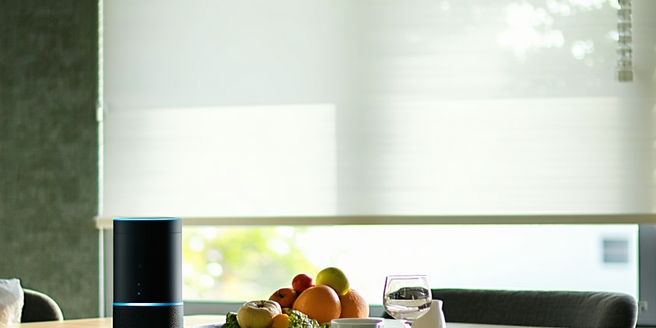
Smart blinds offer numerous benefits, seamlessly integrating into modern living spaces. They provide convenience, allowing users to adjust light and privacy levels through intuitive controls, even remotely via smartphones. This feature is particularly advantageous for enhancing energy efficiency, as automated schedules can maximize natural light use, reducing dependency on artificial lighting and lowering electricity bills. Additionally, smart blinds contribute to improved home security by simulating occupancy through movement during absence. Modern designs complement interiors, offering an elegant solution that enhances aesthetics without sacrificing functionality. Furthermore, compatibility with voice-activated assistants like Alexa or Google Assistant enhances accessibility, simplifying daily routines. Overall, investing in smart blinds not only augments comfort and convenience but also aligns with sustainable living principles, making them a valuable addition to any home.
How Smart Blinds Work: A Simple Guide
Understanding the operation of smart blinds involves recognizing their technological components and functionalities. At the core, smart blinds feature motorized units that enable automatic opening and closing, controlled via an app or dedicated remote. These motors are typically powered by batteries or connected to the home’s electrical system, ensuring seamless performance. Some systems incorporate light and motion sensors, adjusting the blinds according to sunlight levels or occupancy, thus optimizing energy efficiency and comfort. Additionally, connectivity through Wi-Fi or Bluetooth is essential, facilitating integration with smart home ecosystems. By linking to platforms like Amazon Alexa or Google Home, users can voice-command operations, heightening user convenience. Overall, smart blinds rely on a combination of hardware and software, delivering versatile light management solutions suitable for tech-savvy homeowners seeking automation benefits.
Choosing the Right Smart Blinds for Your Home
Selecting the perfect smart blinds for your home involves considering several factors to ensure compatibility and functionality. First, evaluate your specific needs: consider the type of room, window dimensions, and privacy considerations. Next, decide on the power source, such as battery-operated or wired options, each offering its own advantages. It is also essential to determine compatibility with your existing smart home system to ensure smooth integration, whether using platforms like Apple HomeKit, Alexa, or Google Assistant. Aesthetic preferences should not be overlooked; modern designs come in various colors and materials to blend with your interior decor. In terms of functionality, consider additional features such as light, temperature, or occupancy sensors that enhance your living experience. By thoroughly assessing these factors, you can make an informed decision, optimizing convenience and comfort in your home.
Installation Tips for Smart Blinds
Installing smart blinds can be a straightforward task with the right approach. Begin by accurately measuring window dimensions; precision is key to ensuring a perfect fit and optimal performance. Follow manufacturer instructions carefully, as different models have distinct requirements. If opting for wired versions, plan the cable routing to avoid visible cords, enhancing the aesthetic appeal. When dealing with battery-operated models, ensure batteries are fully charged to facilitate motor testing. Calibration is crucial; adjust settings to track accurately over the windows for smooth operation. Additionally, testing the blinds’ connectivity to your smart home system via app or hub is vital to confirm integration and functionality. For those unsure about DIY installation, hiring a professional is always a wise choice to guarantee perfect alignment and system compatibility. Successful installation ensures longevity and seamless operation of your smart blinds.
Integrating Smart Blinds with Smart Home Systems
Integrating smart blinds into your existing smart home system can enhance both convenience and efficiency. Start by verifying that your blinds are compatible with your smart home hub or platform, such as Amazon Alexa, Google Assistant, or Apple HomeKit. Follow the manufacturer’s pairing instructions, typically involving app-based guidance for connecting devices and setting preferences. Ensuring stable Wi-Fi connectivity can prevent signal loss, maintaining smooth communication between devices. Customize automation settings to suit your lifestyle, such as scheduling blinds to open at sunrise or close for privacy in the evening. Security and firmware updates are crucial for maintaining reliable interaction, so check for these regularly. A well-integrated system enables seamless operations, where smart blinds function harmoniously with lighting, climate control, and security features, contributing to a cohesive and smart living environment.
Troubleshooting Common Issues with Smart Blinds
Troubleshooting smart blinds can often resolve issues quickly without the need for professional assistance. If the blinds are unresponsive, check the power source; replace batteries or confirm electrical connections for wired versions. Wi-Fi connectivity is another common culprit; ensure your device is within range of the router and reset the connection through the smart home app. Calibration problems can affect alignment, so recalibrating according to the manufacturer’s instructions may help. For app-related issues, updating the software to the latest version often resolves glitches, while a device reboot can fix persistent errors. If integration with a smart hub is faulty, reviewing compatibility settings and executing a reconnecting sequence might restore harmony. Consistent issues may require consulting customer support for specific troubleshooting advice. Regular maintenance and updates are key to sustaining your smart blinds’ performance and extending their operational lifespan.