Satellite Communications In Mobiles
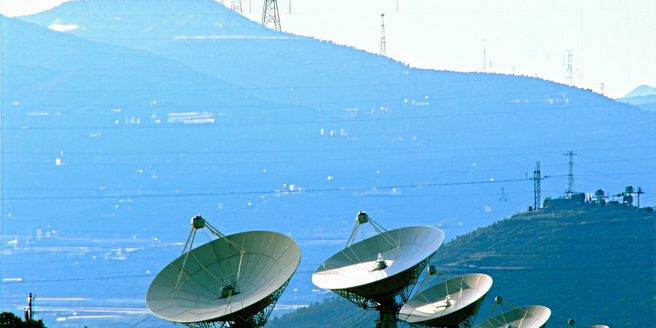
Introduction to Satellite Communication in Mobiles
Satellite communication in mobiles revolutionizes connectivity by enabling access in regions beyond the reach of traditional cell towers. These satellites provide global coverage, relaying signals and data from distant areas to a network of ground stations, making it possible to maintain communication in remote areas. The growing need for seamless connectivity for communication, navigation, and emergency services is driving the integration of satellite technology with mobile devices. This advancement allows for better voice quality, faster data transfer, and lower latency. Furthermore, the use of satellites is crucial for global navigation systems, contributing to precise location services in mobile applications. As demand for mobile connectivity increases, satellite communication plays an integral role in bridging gaps left by terrestrial networks.
How Satellite Technology Enhances Mobile Connectivity
Satellite technology significantly enhances mobile connectivity by expanding the reach of networks beyond traditional infrastructures. While terrestrial networks rely on ground-based towers, satellites orbiting the Earth provide coverage across vast areas, including oceans, mountains, and remote regions. This capability ensures continuous communication services where logistical constraints prevent traditional network expansion. Satellite systems, operating at various altitudes, relay signals and augment data transfer speeds, making high-speed internet access possible for mobile users globally. This augmentation reduces latency and improves the reliability of connections, even in cases of natural disasters or technical failures on the ground. With advancements in satellite technology, such as lower orbit satellites, connectivity is becoming faster and more dependable, underscoring its importance in the future of mobile communication.
The Role of Satellites in Remote and Rural Areas
In remote and rural areas, where the installation of cell towers is economically unfeasible, satellites play a vital role in ensuring connectivity. These regions often lack the infrastructure required for stable and widespread cellular networks, leaving communities disconnected from essential communication services. Satellites bridge this gap by providing blanket coverage, making it possible to access telecommunication services even in the most isolated locations. This satellite-based connectivity supports various applications, including voice calls, internet access, and emergency services, thus empowering rural communities by fostering economic development and social inclusion. As the demand for connectivity grows, the importance of satellites in connecting rural and underserved areas becomes increasingly apparent, ensuring equal access to digital resources and opportunities regardless of location.
Challenges in Integrating Satellite Communication with Mobiles
Integrating satellite communication with mobile technology presents several challenges that need addressing for seamless service provision. One significant challenge is the latency inherent in satellite communication, especially with high-altitude geostationary satellites, which can affect real-time application performance. Additionally, the development of compact, low-cost satellite communication hardware suitable for mobile devices is critical. Battery life and device integration pose engineering hurdles, as satellites require more power than traditional cellular connections. Furthermore, regulatory issues, spectrum allocation, and coordination between various terrestrial and extraterrestrial networks require comprehensive solutions. Addressing these challenges necessitates collaborative efforts between technology developers, regulators, and network providers to innovate solutions that reconcile these differences, ultimately enabling a harmonious integration of satellite capabilities with mobile technology.
Future Prospects of Satellite Communications in Mobile Technology
The future of satellite communications in mobile technology looks promising with significant advancements on the horizon. The deployment of mega-constellations of low-Earth orbit satellites promises to reduce latency and increase bandwidth, making satellite-based mobile connectivity more competitive with terrestrial networks. As these innovations mature, we can expect enhanced data speeds and more reliable communication services globally. Moreover, advancements in satellite miniaturization and cost reduction will enable broader access to satellite technology, fostering connectivity in previously underserved regions. The integration of satellite communication with emerging technologies such as 5G will further enhance mobile services, allowing seamless connectivity regardless of users’ locations. The evolution of satellite communication holds the potential to redefine the landscape of global mobile connectivity, offering unprecedented opportunities for innovation and access.