Renewable Energy Systems
Introduction to Renewable Energy Systems
Renewable energy systems are designed to utilize resources that are naturally replenished, such as sunlight, wind, water, and biological materials. These systems offer an alternative to fossil fuels, which are finite and contribute to environmental issues like climate change. By leveraging renewable sources, not only do we reduce harmful emissions, but we also move towards a more sustainable and eco-friendly future. Renewable energy systems encompass various technologies including solar panels, wind turbines, hydroelectric dams, biogas digesters, and geothermal heat pumps. Each of these plays a crucial role in diversifying our energy supply, decreasing dependency on traditional fuels, and providing energy security. As global demand for clean energy grows, investing in renewable energy systems becomes increasingly important.
The Importance of Renewable Energy
The importance of renewable energy cannot be overstated in today’s world. As we face the challenges of climate change, energy security, and pollution, shifting towards renewable sources is imperative. Renewable energy reduces greenhouse gas emissions, curbing the effects of global warming. It also enhances energy security by decreasing reliance on imported fuels, creating a more stable and resilient energy system. Moreover, the renewables sector is a significant job creator, fostering economic growth and innovation. Unlike finite fossil fuels, renewable sources such as the sun, wind, and water are abundant and inexhaustible. Furthermore, they provide an opportunity to decentralize energy production, empowering communities to generate their own power and reduce energy costs. Transitioning to renewable energy is not only a necessity but an opportunity for a healthier planet.
Types of Renewable Energy Sources
Various types of renewable energy sources provide a diverse mix of sustainable options to meet the world’s growing energy demands. Solar energy harnesses sunlight through photovoltaic cells or solar thermal systems to produce electricity and heat. Wind energy utilizes wind turbines to convert kinetic energy into electrical power, ideal for high wind areas. Hydroelectric power generates energy from flowing water, often through dams, offering a reliable and consistent supply. Biomass energy comes from organic materials like plant waste and animal manure, which can be converted into electricity, heat, or biofuels. Geothermal energy taps into the Earth’s internal heat, providing a stable and constant power source. These renewable energy sources complement each other, offering flexibility and scalability in reducing carbon footprints and promoting environmental sustainability.
Solar Power: Harnessing the Sun’s Energy
Solar power, one of the most accessible and abundant forms of renewable energy, involves harnessing sunlight for electricity and heat. Photovoltaic (PV) panels, made from semiconductor materials, are used to convert solar radiation directly into electricity. Solar thermal systems, on the other hand, capture sunlight to produce thermal energy for heating applications. The versatility of solar power makes it suitable for various applications, from residential rooftop panels to large-scale solar farms. Additionally, solar power is a clean energy source that produces no emissions during operation, contributing significantly to reducing greenhouse gases. With advancements in technology, the efficiency and affordability of solar systems continue to improve, allowing broader adoption. Integrating solar power into energy systems promotes sustainability and helps meet global energy needs while mitigating the impact of climate change.
Wind Energy: Capturing the Power of Wind
Wind energy is one of the fastest-growing renewable energy sources, capturing the kinetic energy from wind using turbines to generate electricity. Wind farms, consisting of multiple turbines, are strategically placed in areas with consistent and strong wind patterns, such as coastal regions and open plains. Wind energy is a clean and sustainable option that produces no direct emissions or water pollutants during operation. Technological advancements have led to larger and more efficient turbines, capable of generating significant amounts of power. The scalability of wind energy allows it to be combined with other renewable sources, enhancing energy security and reducing dependency on fossil fuels. As costs decrease and understanding of wind patterns improves, wind energy continues to play a crucial role in the transition towards a sustainable energy future, supporting both environmental goals and economic growth.
Hydroelectric Power: Energy from Water
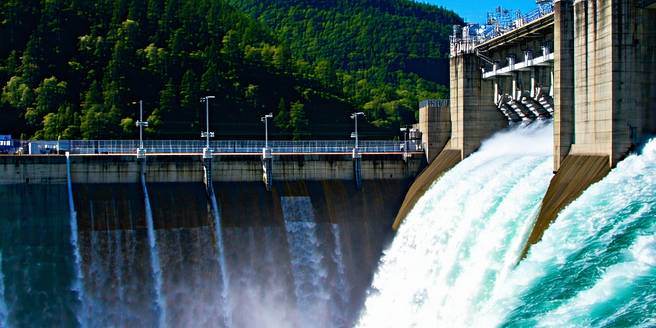
Hydroelectric power harnesses the potential energy of flowing or falling water to generate electricity, making it one of the oldest and most established forms of renewable energy. Typically, this involves constructing a dam on a river to store water in a reservoir. When released, the water flows through turbines, spinning them to produce electricity. Hydroelectric plants offer a consistent and reliable power supply, as they can quickly adjust output to match electricity demand. This clean energy source emits no greenhouse gases during operation and contributes to regional water management and flood control. However, environmental impacts and ecosystem disruption must be managed carefully. Despite these challenges, hydroelectric power remains a significant contributor to the global renewable energy mix, providing about 16% of the world’s electricity and paving the way for sustainable development.
Biomass: Utilizing Organic Materials for Power
Biomass energy converts organic materials such as plant and animal waste into usable energy, offering a renewable and sustainable energy solution. This process involves burning biomass directly or converting it into biofuels like biogas or biodiesel. Biomass is unique in its ability to utilize waste products, reducing landfill use and methane emissions. As a carbon-neutral energy source, the carbon dioxide released during biomass combustion is offset by the carbon absorbed during the growth of plants used as biomass feedstock. This cycle makes biomass a key player in mitigating climate change. Additionally, biomass can be used to produce heat, electricity, and transportation fuels, providing versatility in its applications. Integrating biomass into the energy mix not only diversifies energy sources but also supports rural economies by leveraging local materials and creating jobs.
Geothermal Energy: Heat from the Earth
Geothermal energy draws on the Earth’s internal heat to generate electricity and provide direct heating solutions. This reliable and consistent energy source taps into hot water and steam reservoirs under the Earth’s surface, often accessible through drilling wells. Geothermal power plants convert this heat into electricity, offering a low-emission and efficient energy option. Direct use applications, such as geothermal heat pumps, utilize the stable temperatures near the surface for heating and cooling buildings. The advantages of geothermal energy include its independence from weather conditions, small land footprint, and minimal life-cycle greenhouse gas emissions. However, geothermal development requires careful site assessment to manage potential environmental impacts like water usage and induced seismic activity. As technology advances, geothermal energy holds significant potential in contributing to a durable and sustainable energy future.
The Benefits of Renewable Energy Systems
Renewable energy systems offer numerous benefits that extend beyond environmental sustainability. By reducing reliance on fossil fuels, they help decrease harmful emissions that contribute to air pollution and climate change. Renewable energy systems provide economic advantages by creating jobs and fostering innovation in technology and infrastructure. Importing fuels is minimized, enhancing national energy security and reducing vulnerability to global market fluctuations. Additionally, renewables promote energy independence and decentralization, allowing communities to generate their own power. The decentralized nature of renewable solutions also increases resilience to natural disasters and grid failures. Moreover, renewable energy sources such as solar, wind, and hydro are abundant and inexhaustible, offering a reliable supply of energy. Overall, investing in renewable energy systems is a proactive step toward ensuring a cleaner, healthier, and more sustainable future for all.
Challenges Facing Renewable Energy Adoption
There are several challenges facing the widespread adoption of renewable energy, despite its many benefits. One of the main barriers is the initial cost of setting up renewable energy systems; although costs have been decreasing, the upfront investment remains significant. Additionally, integrating renewables into existing energy grids poses technical challenges, as these sources are often intermittent and require storage solutions or hybrid systems to ensure reliability. Policy and regulatory frameworks also play a critical role in incentivizing renewable energy adoption, yet they can be inconsistent and vary widely across regions. Furthermore, public awareness and acceptance are crucial for transitioning to renewables, necessitating effective communication and education. Addressing these challenges requires coordinated efforts from policymakers, industry stakeholders, and communities to create supportive environments and frameworks that promote efficient and effective renewable energy integration.