Insight Into Tablet Display Technologies
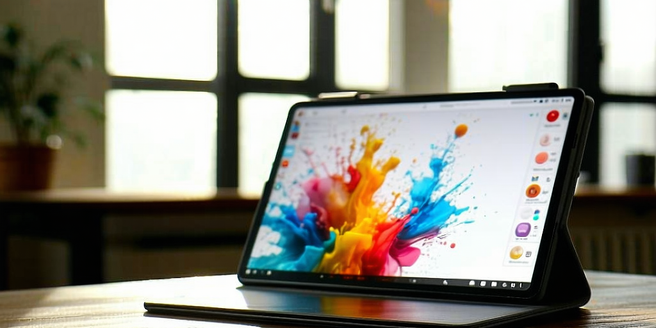
1. Overview of Modern Tablet Display Types
Modern tablets employ a variety of display technologies, each with its distinct features and advantages. The most common types include Liquid Crystal Display (LCD) and Organic Light Emitting Diode (OLED). LCDs are popular for their affordability and reliable performance across different lighting conditions, whereas OLEDs are revered for their vibrant colors and high contrast ratios. Emerging technologies like MicroLEDs and mini-LEDs are now entering the scene, promising enhanced brightness and energy efficiency. Each type of display suits different user needs and preferences, and understanding these technologies can help consumers make informed choices when purchasing tablets. With the rapid pace of innovation, the landscape of tablet displays continues to evolve, offering consumers newer options for improved visual experiences.
2. LCD vs. OLED: Key Differences and Advantages
LCD and OLED displays dominate the tablet market, each offering unique benefits. LCDs, with their backlit structure, provide consistent brightness and are typically more cost-effective, making them ideal for budget-conscious consumers. They perform well in bright environments due to their light emission technology. OLEDs, on the other hand, offer richer colors and deeper blacks by individually lighting each pixel, creating a dynamic contrast ratio. This advantage makes them preferable for media consumption, enhancing the visual experience with vibrant and lifelike imagery. Additionally, OLEDs are generally thinner and more flexible, allowing for sleeker device designs. However, OLED displays can be more susceptible to burn-in and are often found at a higher price point. Understanding these differences helps users decide which technology best suits their needs.
3. The Evolution of Tablet Screen Resolutions
Tablet screen resolutions have drastically evolved over the years, pushing the boundaries of visual clarity and detail. Early tablets typically started with resolutions like 1024×768 pixels, but advancements in display technology have significantly increased standards. Today’s models boast resolutions that exceed Full HD, with many premium devices offering QHD (2560×1440) or even 4K (3840×2160) displays. This progress has been fueled by the demand for higher quality visual content and immersive experiences in gaming and media consumption. Enhanced resolutions lead to sharper images and more detailed visuals, enriching user interactions. Manufacturers continue to innovate by creating screens that offer not only higher resolutions but also better pixel density, providing users with smoother transitions and more immersive displays.
4. Enhancements in Tablet Color Accuracy and Clarity
Over recent years, tablet manufacturers have focused on improving color accuracy and clarity to cater to a range of professional and recreational needs. This has been achieved through advancements in display technologies like OLEDs and the integration of color-calibrated panels. Enhanced color accuracy ensures that images and videos are depicted as intended, crucial for creative professionals in fields such as photography and graphic design. Improvements in screen clarity, aided by higher resolutions and better pixel density, allow for crisp text and clear image details, reducing eye strain and enhancing readability. As tablets become central to both work and leisure activities, these ongoing enhancements in display quality are vital for an optimal user experience. The commitment to color accuracy and clarity reflects a dynamic trend toward visually superior tablet experiences.
5. The Impact of Refresh Rates on User Experience
Refresh rates in tablet displays significantly influence the overall user experience, particularly in responsiveness and motion clarity. Measured in hertz (Hz), refresh rates indicate how often the display updates with new information per second. Standard rates like 60Hz suffice for regular activities, while higher rates such as 120Hz or even 144Hz provide a noticeably smoother experience, vital for gaming and high-speed video playback. These higher refresh rates allow for fluid interactions and reduced motion blur, especially beneficial when scrolling through content or using stylus pens. As tablets increasingly adopt higher refresh rate displays, users can enjoy a more engaging and visually coherent experience. Consequently, the decision to focus on higher refresh rates is becoming a key marketing point for manufacturers striving to differentiate their products in a competitive market.
6. Future Trends in Tablet Display Innovations
As technology advances, the future of tablet displays is set to be even more exciting with several innovative trends on the horizon. Cutting-edge developments such as foldable and rollable screens are expected to revolutionize form factors, offering unprecedented portability and versatility. Additionally, improvements in energy-efficient displays like MicroLED promise enhanced battery life crucial for mobile devices. Advancements in screen durability are also anticipated, incorporating more resilient materials to combat issues like screen breakage or burn-in. Moreover, augmented reality integration in displays could provide immersive experiences for productivity and entertainment. As manufacturers pour resources into R&D, users can expect tablets to evolve in ways that enhance their usability and functionality, continuing to transform how we interact with digital content in everyday life.