Iot In Retail Environments
Understanding IoT Basics in Retail
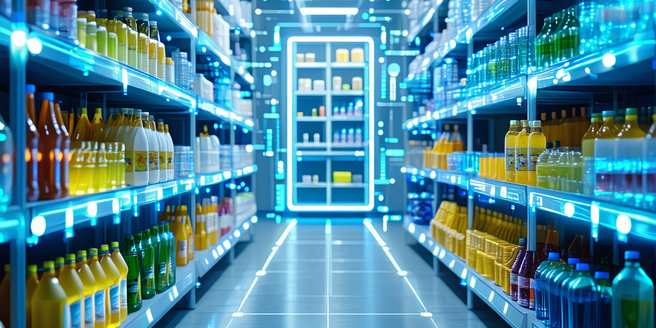
The Internet of Things (IoT) signifies a network of interconnected devices communicating over the internet, offering significant value to the retail landscape. In retail, IoT enables real-time data collection and communication, optimizing operations. Retailers leverage IoT to enhance inventory management, customer insights, and supply chain efficiency. With the rapid advancements in technology, IoT continues to transform how retailers operate and engage with customers. The seamless integration of IoT technology can give retailers a competitive edge in the marketplace. For instance, smart shelves can automatically track stock levels, while beacons offer personalized promotions to customers. IoT devices like RFID tags and smart sensors provide data-driven insights to streamline business processes. Understanding these basics allows retailers to harness IoT’s full potential for improved productivity and customer satisfaction.
How IoT Enhances Customer Experience
Integrating IoT into retail significantly elevates the customer experience by personalizing interactions and optimizing services. With IoT, retailers can gather data on customer preferences and behaviors. This data can be used to offer tailored promotions or recommendations through smart devices. Furthermore, IoT technology facilitates improved security measures by monitoring store environments and alerting staff to potential issues. Moreover, it enables real-time inventory management, ensuring that products are always available when needed. In-store, IoT-driven solutions like smart mirrors and kiosks allow interactive customer engagement. Additionally, IoT helps in reducing wait times by streamlining payment systems with devices offering quick, contactless transactions. By utilizing IoT, retailers can create a seamless, efficient, and engaging shopping experience, which enhances customer satisfaction and loyalty.
Boosting Inventory Management with IoT
IoT provides a transformative approach to inventory management in retail. Connected sensors and devices track inventory in real time, reducing human error and ensuring accurate stock levels. By integrating these systems with cloud-based platforms, retailers can access and manage inventory data from anywhere. This technological advancement also supports seamless collaboration across multiple retail locations. Utilizing technologies such as RFID tags, retailers can automate stock monitoring, ensuring products are timely restocked. This minimizes stockouts and overstock situations, optimizing the supply chain. IoT allows for predictive analytics, offering insights into purchasing trends and forecasting demand efficiently. Enhanced inventory processes lead to cost savings and increased operational efficiency, allowing retailers to focus on enhancing customer service and expanding their market reach.
Security Concerns and Solutions in IoT
Implementing IoT in retail introduces security challenges, as connected devices can be vulnerable to cyber threats. It’s crucial for retailers to protect customer data and business information from unauthorized access. Solutions involve investing in robust cybersecurity measures like data encryption, secure device management, and regular security updates. Retailers must stay informed about the latest cybersecurity trends and threats. A comprehensive risk assessment can help identify specific vulnerabilities in the IoT ecosystem. Educating employees about potential risks and establishing stringent access controls are essential. Retailers also benefit from working with secure IoT platforms that adhere to industry security standards. By proactively addressing these concerns, retailers can capitalize on IoT opportunities while maintaining customer trust and safeguarding business interests.
Future Trends of IoT in Retail
The future of IoT in retail is poised for exponential growth with advancements in AI and machine learning. The integration of these technologies could enable more precise predictive analytics, transforming customer interactions. Future trends indicate a surge in smart store implementation, where everything from product displays to checkout processes is automated and interconnected. Retailers will need to invest in robust cybersecurity measures to protect sensitive customer data in this interconnected environment. IoT also paves the way for more immersive shopping experiences through augmented reality applications. Moreover, with growing focus on sustainability, IoT aids in energy management and waste reduction. As IoT evolves, continuous innovation will redefine retail landscapes, tailoring them to modern consumer needs.