Advancements In Smart Home Security Systems
Understanding the Basics of Smart Home Security
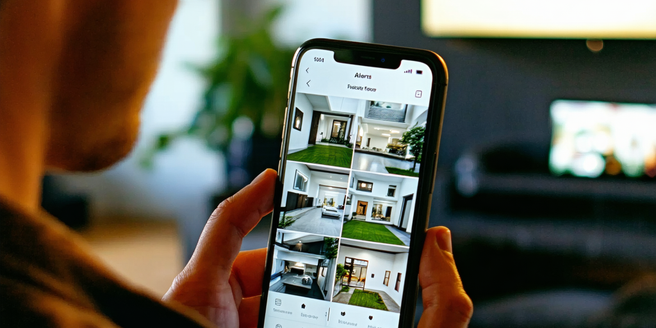
Smart home security systems have seen significant development in recent years. These systems integrate with various smart devices, allowing homeowners to monitor and control their security setup through mobile applications. At the core, smart home security includes devices such as smart cameras, motion detectors, and alarms that are connected to a central hub. This provides real-time alerts and remote accessibility. Understanding how these components communicate over secure networks is key to enhancing home safety. Proper installation and configuration ensure that these systems work optimally, offering peace of mind by monitoring vulnerable areas, thus preventing unauthorized access and mitigating threats efficiently.
Latest Innovations in Home Surveillance Technology
The field of home surveillance technology is continuously evolving, bringing about more effective and intelligent solutions. Recent advances include high-definition cameras with night vision, facial recognition, and motion detection capabilities. Many modern surveillance systems offer cloud storage options, ensuring footage is secure and accessible from anywhere. Connectivity improvements have enabled these cameras to work seamlessly with other smart devices, creating an integrated security solution. Additionally, incorporating artificial intelligence into surveillance technology allows for distinguishable alert settings and pattern recognition, which can differentiate between normal activity and potential threats, thereby reducing false alarms and enhancing home security.
Smart Locks and Enhanced Access Control
Smart locks represent a major advancement in home security by offering unparalleled control over home access. These locks can be operated remotely via smartphone apps, allowing homeowners to lock or unlock doors from miles away. Enhanced access control features include temporary passcodes for guests or service providers, eliminating the need for physical keys. Moreover, smart locks can be programmed to send notifications whenever someone enters or exits the home, providing real-time updates. By using encrypted communications, these systems ensure increased security against unauthorized access, making smart locks a reliable replacement for traditional locking mechanisms.
Integration with AI and IoT for Enhanced Security
The integration of Artificial Intelligence (AI) and the Internet of Things (IoT) has taken smart home security to a new level. AI technology enables smart devices to learn from patterns and user behavior, allowing for predictive analytics that preempt security breaches. IoT connectivity ensures all devices communicate effectively, creating a cohesive and comprehensive security network. This integration has enabled the automation of security alerts, immediate threat detection, and swift response mechanisms. Such connected systems can efficiently manage and monitor environments to ensure enhanced protection for the home. Their adaptability and scalability make them a powerful tool in safeguarding properties.
User-Friendly Interfaces and Mobile Control
User-friendly interfaces and mobile control have become crucial elements in modern smart home security systems. With intuitive apps and easy-to-navigate dashboards, users can effortlessly control security settings, monitor footage, and manage devices. Mobile control adds a layer of convenience, as homeowners can oversee their properties from virtually anywhere. This instantaneous access and control have made managing home security both straightforward and efficient. Furthermore, voice control integration with assistants like Alexa or Google Assistant makes interaction with these systems even more seamless and hands-free. As a result, user experience is significantly enhanced, making security management accessible to everyone.
Future Trends in Smart Home Security Systems
The future of smart home security systems is rich with innovation, promising exciting trends and advancements. We can expect greater integration with AI-powered analytics, offering more personalized security solutions. Biometric authentication, such as facial recognition and fingerprint scanning, will likely become more prevalent, enhancing security access. Also, the use of edge computing to process data directly on devices will improve response times and reduce the load on network resources. Additionally, the expansion of 5G technology will facilitate even faster communication between smart devices. As security systems become more intelligent and interconnected, they will offer greater customization and protection to meet evolving threats.