Green Data Centers
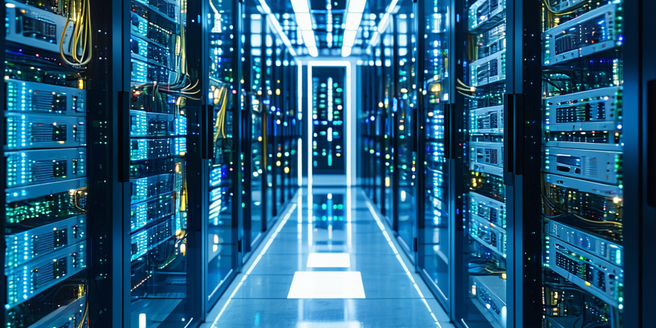
Introduction to Green Data Centers
Green data centers are designed to minimize environmental impact by utilizing energy-efficient technologies, reducing waste, and implementing sustainable practices. They aim to lower carbon footprints while maintaining optimal performance and reliability. By integrating advanced cooling systems, renewable energy sources, and efficient hardware, these facilities significantly decrease power consumption and energy costs. As organizations increasingly prioritize sustainability, adopting green data centers becomes a critical strategy for reducing environmental impact without compromising operational efficiency. One of the key benefits of green data centers is their ability to extend the lifespan of IT infrastructure through reduced energy stress. The shift towards green data centers is driven by the global transition to sustainable practices and growing energy demands, mandating innovation in energy management and facility operations.
The Importance of Energy Efficiency
Energy efficiency plays a crucial role in the operation of green data centers. By optimizing energy use, these centers reduce greenhouse gas emissions and lower operating costs. Efficient energy consumption is achieved through state-of-the-art technologies like advanced power management systems, energy-efficient hardware, and smart monitoring tools. The integration of AI in managing these systems further enhances their efficiency. Innovations in renewable energy sources further contribute to reducing the carbon footprint of these facilities. This not only benefits the environment but also enhances the economic viability of the facilities. The push for energy efficiency reflects increasing awareness of environmental impacts and the financial advantages of reduced energy use. Businesses adopting energy-efficient practices gain a competitive edge by demonstrating commitment to sustainability and corporate responsibility.
Innovative Cooling Solutions
Cooling is a major concern in data center operations due to the significant heat generated by servers. Innovative cooling solutions like liquid cooling, free air cooling, and evaporative cooling reduce energy consumption and improve efficiency. Liquid cooling uses water to dissipate heat more effectively than traditional air cooling, while free air cooling leverages outdoor air to lower temperatures. Evaporative cooling uses water evaporation to cool the air. These methods not only enhance performance but also contribute to the longevity of the equipment. By implementing these methods, green data centers achieve substantial energy savings and reduce reliance on conventional, energy-intensive cooling systems. These technologies underscore the efforts to create more sustainable and efficient ways to manage heat in data centers.
Renewable Energy Integration
Integrating renewable energy sources is essential for reducing the carbon footprint of data centers. By leveraging solar, wind, and hydroelectric power, green data centers significantly decrease their reliance on fossil fuels. Implementing on-site renewable energy systems or sourcing from green energy providers ensures that these facilities align with global sustainability goals. Such initiatives not only help the environment but also foster innovation in energy management solutions. The integration of renewables supports a cleaner energy grid and promotes energy independence. Companies committed to sustainable operations benefit from the decreased environmental impact and often receive incentives for adopting renewable energy. This integration is a vital step for making substantial progress toward sustainable data center operations.
Case Studies of Sustainable Practices
Several companies have successfully adopted sustainable practices in their data centers, serving as models for the industry. For example, Google’s data centers are known for their energy efficiency and use of renewable energy, achieving zero net carbon emissions. This commitment to sustainability has set a benchmark for other tech companies striving to reduce their environmental impact. Facebook’s data centers incorporate innovative cooling technologies and utilize renewable energy sources, significantly reducing their environmental impact. Similarly, Microsoft’s initiatives in renewable energy procurement and energy-efficient designs have led to a substantial decrease in their carbon footprint. These case studies illuminate effective strategies for implementing sustainability in data center operations and inspire other organizations to follow suit.