Fashion-forward Wearable Gadgets
The Rise of Fashion-Tech Integration
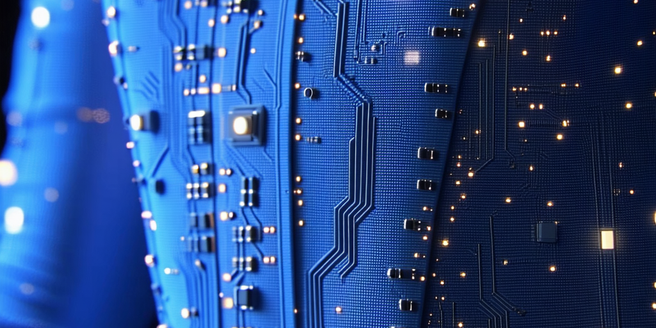
Fashion-tech integration is transforming the industry by combining aesthetics with advanced technology. Designers are embracing innovations to create garments that are both stylish and functional. This blend allows for new levels of interaction and personalization. Smart fabrics now support microchips and sensors, enabling real-time data collection and interaction with digital devices. This fusion not only enhances the user experience but also provides valuable insights into consumer behavior, allowing for more tailored fashion solutions. As technology advances, so does the potential for creative new designs that challenge traditional fashion norms. These innovations also push the boundaries of what is possible within fashion, turning clothes and accessories into powerful tools for communication and expression. Overall, fashion-tech integration is driving the future of fashion to become more dynamic and versatile.
Top Wearable Gadgets Transforming Style
Wearable technology is changing the way we view fashion and style. Top gadgets like smartwatches, fitness trackers, and VR glasses are not only functional but are becoming leading style statements. As these devices integrate more seamlessly into daily life, the design elements have started to reflect more personal style choices, with customizable bands and sleek aesthetics. These gadgets offer a unique combination of utility and elegance, whether it’s tracking health data, keeping you connected, or providing entertainment on the go. The smart jacket, another front-runner, incorporates Bluetooth technology and gesture control, offering a futuristic edge to outerwear. By transforming accessories into fashionable, high-tech gadgets, the industry is broadening the definition of style and how technology can be expressed aesthetically.
Innovative Fabrics and Smart Textiles
Innovative fabrics and smart textiles are redefining the possibilities within the fashion industry. These materials are designed to perform and adapt in ways traditional fabrics cannot. Textiles that change color or regulate temperature in response to environmental stimuli are paving the way for a new era of wearable tech. With the integration of sensors and conductive threads, clothing can monitor biometric data or even charge devices wirelessly. Lightweight and flexible, these textiles maintain comfort and convenience without compromising on fashion. By marrying technology with material science, designers are able to create garments that not only meet functional needs but also adhere to high fashion standards. Smart textiles are a testament to the increased interconnectivity between fashion and technology, leading us to a smarter and more connected wardrobe.
Balancing Aesthetics and Functionality
The challenge of integrating technology into fashion lies in balancing aesthetics with functionality. As designers explore the capabilities of smart wearables, the need to maintain an appealing look remains crucial. Blending sleek design with utilitarian features requires a creative approach, ensuring that technology enhances rather than detracts from the visual appeal. Streamlined designs that hide or unobtrusively incorporate tech elements are gaining popularity. Whether it’s a chic bracelet that doubles as a payment platform or a classic jacket with built-in navigation, the goal is cohesiveness between form and function. By focusing on simplicity and elegance, designers make technology accessible while still adhering to style standards. The balance of aesthetics and functionality is essential in fostering wider acceptance and incorporation of wearable tech into mainstream fashion.
Sustainability in Fashion Wearables
Sustainability is becoming a significant factor in the development of fashion wearables. With the industry’s increasing environmental impact awareness, there is a push to create tech-integrated garments that are eco-friendly. Use of sustainable resources, recyclable components, and energy-efficient technologies are key considerations. Fashion tech is exploring biodegradable inputs for electronics and solar-powered textiles to minimize footprint. Designers are also prioritizing durability to combat waste from fast fashion, creating long-lasting products with timeless appeal. By applying principles of circular fashion, where products are designed for reuse, recycling, or composting, wearables aim to reduce long-term environmental effects. This sustainable approach not only addresses ecological concerns but also appeals to the growing market of eco-conscious consumers, encouraging a shift towards more responsible fashion practices.