Wearable Tech For Sleep Improvement
Understanding the Science Behind Sleep and Wearables
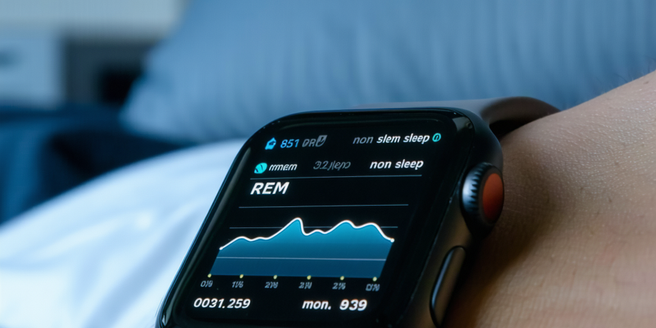
Sleep is a complex biological process essential for overall health. Wearables provide valuable insights by tracking sleep stages, duration, and quality using sensors and algorithms. Understanding the science of sleep is crucial to the development of these devices. Sleep is categorized into REM and non-REM stages, each playing a vital role in recovery and memory consolidation. Wearables aim to accurately monitor these stages, offering data-driven insights to improve sleep hygiene. By analyzing patterns and biometric data, wearables can help identify factors like sleep apnea or restlessness that may affect sleep quality. As research advances, wearables will continue to leverage scientific discoveries to enhance their accuracy and usefulness in promoting healthier sleep habits.
Top Features to Look for in Sleep-Enhancing Wearables
When selecting a sleep-enhancing wearable, it is essential to consider certain features that can significantly impact its effectiveness. Accuracy in tracking sleep stages, including deep and REM sleep, is critical, as it determines the reliability of the data provided. Battery life is another important factor, as longer life ensures continuous tracking without interruption. Comfort and material quality are crucial for wearables to be worn comfortably throughout the night. Connectivity with smartphones and apps for detailed analysis can enhance the overall user experience by providing personalized sleep insights. Additionally, features like smart alarms or vibrating silent alarms can gently wake sleepers, minimizing disruption to sleep cycles. Finally, compatibility with health apps and data integration should be considered, as it facilitates comprehensive health tracking.
Comparing Leading Wearable Devices for Sleep Tracking
The market for wearable sleep trackers includes several leading devices, each offering unique features. The Fitbit Sense, for example, is renowned for its robust sleep tracking capabilities, including a sleep score that evaluates sleep duration and quality. The Oura Ring is another popular option, known for its sleek design and accurate tracking of sleep stages and readiness scores. Apple’s Watch Series incorporates advanced sleep tracking features integrated with the Health app, providing insights into sleep patterns. Garmin’s Venu series also offers comprehensive sleep analysis along with stress and respiration tracking. Each of these devices brings distinctive advantages, so the best choice depends on individual needs, such as design preferences, desired features, and compatibility with other devices or apps.
How Wearable Tech Can Help Improve Sleep Quality
Wearable technology can significantly contribute to improving sleep quality by providing users with actionable insights. By tracking sleep patterns and stages, wearables allow individuals to understand their sleep habits better and identify areas for improvement. The data collected can also highlight irregularities or disturbances, prompting further investigation or lifestyle changes. Additionally, features such as smart alarms help optimize wake-up times and enhance sleep cycles. Wearables can also encourage behaviors conducive to better sleep, such as maintaining a consistent sleep schedule or creating relaxing bedtime routines. Coupled with mobile apps, they assist in tracking progress over time and adjusting habits as needed. Ultimately, these technologies empower users to take charge of their sleep health, leading to improved overall well-being.
Challenges and Limitations of Wearable Sleep Technology
While wearable sleep technology offers numerous benefits, it also faces several challenges and limitations. One major concern is accuracy, as discrepancies in tracking can lead to misleading data and conclusions. Many wearables may not detect movements accurately or differentiate between sleep stages precisely, affecting their reliability. Privacy is another issue, as personal sleep data must be securely stored and protected from unauthorized access. Battery life poses limitations, requiring regular charging, which can be inconvenient for continuous use. Furthermore, the effectiveness of sleep-enhancing wearables largely depends on user engagement and adherence to suggested sleep improvements. Finally, these devices may not replace professional medical diagnoses, making it important for users to consult healthcare providers when faced with persistent sleep issues.
The Future of Wearable Tech in Sleep Health Management
As technology continues to advance, the future of wearable tech in sleep health management holds promising potential. Future innovations may focus on enhancing the accuracy of data collection to deliver more precise insights. Integration with other health metrics beyond sleep, like stress and mental health, could provide a holistic view of well-being. Advanced machine learning algorithms might allow wearables to predict and prevent sleep-related disorders by identifying trends and anomalies early on. Moreover, personalized recommendations could become more refined, thanks to artificial intelligence that tailors advice based on individual sleep needs and habits. Collaboration with healthcare providers could elevate wearables from simple tracking devices to integral components of personalized sleep health strategies. As acceptance and awareness grow, wearables may assume a central role in proactive sleep health management.