Keyboard Switch Mechanisms
Mechanical Switch Basics
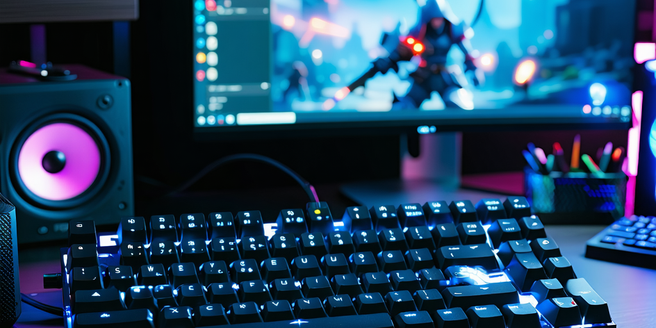
Mechanical keyboards have been celebrated for their tactile feedback and durability. The mechanical switch functions with a physical mechanism, usually composed of a stem, spring, and housing, which produces distinct actuation. Each keypress on a mechanical keyboard is registered individually, providing a satisfying clicking sound and consistent performance across the board. There are various types of mechanical switches such as linear, tactile, and clicky, each offering unique experiences based on sound and feel preferences. Enthusiasts often choose switches based on desired actuation force and sound type, creating a customized typing or gaming experience. Additionally, the longevity of mechanical switches surpasses that of many other types, often lasting for millions of keypresses. This reliability makes them popular in both casual and professional settings, transforming typing into a more pleasurable, efficient activity through their superior technology.
Understanding Membrane Keyboards
Membrane keyboards are typically more budget-friendly and quiet compared to their mechanical counterparts. A membrane keyboard works by utilizing a thin, flexible membrane layer that registers keystrokes through electrical contacts. When a key is pressed, it pushes down on the membrane, creating contact with the circuit underneath. This allows for the entire keyboard to be a single, unbroken layer, contributing to its water-resistance and lightweight design. However, membrane keyboards often lack the precision and tactile feedback of mechanical keyboards, which can affect typing speed and accuracy to some users. Despite this, they are a practical choice for many due to their affordability and ease of production. As technology advances, newer iterations seek to improve the distinct mushy feel and limited durability, bringing membrane keyboards closer to the tactile experience mechanical enthusiasts appreciate.
Hybrid Switch Mechanisms
Hybrid switch mechanisms combine the elements of both mechanical and membrane keyboards, aiming to deliver the best of both worlds. These switches often integrate a mechanical structure with a membrane’s contact method, providing tactile feedback while maintaining a quieter typing experience. This approach results in a switch that can offer a softer press, similar to membrane, but with improved response and durability closer to mechanical keyboards. Hybrid keyboards can be particularly appealing to those who appreciate mechanical feedback without the associated noise. Furthermore, hybrid designs often result in a more portable and lightweight keyboard, which is convenient for travel or minimalist setups. By bridging the gap between membrane and mechanical types, hybrid switches offer a versatile solution for users seeking balance between cost, performance, and tactile sensation, appealing to diverse preferences and environments.
Opto-Mechanical Innovations
Opto-mechanical keyboards represent a modern innovation in the switch mechanisms landscape, leveraging light-based actuation for superior precision and speed. These switches use an optical sensor to detect when a keypress occurs, eliminating physical contact points that wear over time. This not only increases the longevity of the keyboard but also allows for faster response times, which make them a favorite in competitive gaming scenarios. The absence of metal contacts reduces debounce time, providing a smoother, quicker actuation that benefits fast typists and gamers alike. Opto-mechanical switches maintain the beloved tactile or clicky feedback associated with mechanical keys, while introducing the benefits of optical technology. Manufacturers continue to explore this technology to enhance durability and performance, offering keyboards that bring cutting-edge responsiveness to users seeking the ultimate typing or gaming experience.
The Rise of Capacitive Switches
Capacitive switches utilize a mechanism that senses the change in capacitance when keys are pressed, offering a unique keyboard feel. Unlike traditional mechanical switches, these do not require contact closure, resulting in a smoother keypress with little to no resistance. This design translates into higher durability, as the lack of physical contact reduces wear. While traditionally used in specialized fields such as aviation and broadcasting, recent developments have made capacitive switch technology more accessible for everyday users. The ability of these switches to register keystrokes without a physical connection also means they are perceived as quieter than their mechanical counterparts. The gentle touch required for activation makes them appealing to typists who prefer low-force actions. As more consumers recognize the advantages, capacitive switches are growing in popularity for both professional and recreational use, diversifying keyboard options.
Comparing Switch Technologies
Comparing switch technologies involves evaluating aspects such as feel, sound, durability, and cost. Mechanical switches are praised for their tactile feedback and long lifespan, making them popular among typing and gaming enthusiasts. Membrane keyboards offer a quieter, more affordable option, often chosen for budget-conscious setups or shared spaces. Hybrid switches bridge these two, attempting to balance tactile feedback with reduced noise levels. On the cutting edge are opto-mechanical and capacitive switches, which promise enhanced speed and longevity with innovative actuation methods. Opto-mechanical switches cater to those needing rapid response, ideal in high-stakes gaming. Alternatively, capacitive switches provide a smooth typing experience without the clicking sound, appealing to offices and sound-sensitive environments. Ultimately, the choice of switch technology depends on personal preferences and intended use, with each type offering distinct advantages tailored to different needs.