Graphics Card Cooling Systems
Understanding the Importance of Cooling in GPUs
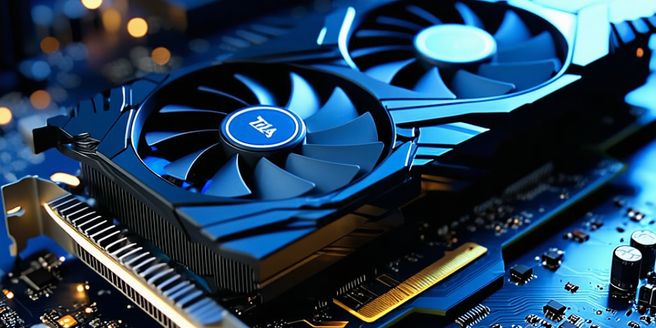
Graphics Processing Units (GPUs) are integral components in modern computers, powering everything from gaming to professional workloads. As GPU architectures become more powerful, they also generate more heat, which can affect performance and lifespan. Adequate cooling ensures the GPU runs efficiently, avoiding thermal throttling that results in reduced processing power. Proper cooling systems maintain optimal performance by dissipating heat and keeping the GPU at appropriate temperatures. Without effective cooling, over time, a GPU could sustain permanent damage or fail prematurely. Cooling solutions like fans, heat sinks, or liquid systems help monitor and manage temperatures, protecting the investment users have made in their devices. Therefore, understanding the importance of cooling in GPUs is crucial for any enthusiast or professional looking to maximize the potential and lifespan of their graphics hardware.
Air Cooling Systems: Pros and Cons
Air cooling solutions are the most common type of thermal management for GPUs due to their simplicity and cost-effectiveness. Using fans and heat sinks, air cooling is readily available and easy to install, making it an attractive option for many users. One significant advantage of air cooling is its low maintenance requirements; there’s no need to worry about liquid leaks or pump failures. However, air coolers may produce more noise, as they rely on multiple fans to disperse heat. Another downside is their limited ability to handle extreme overclocking or high-performance tasks, as they might not be able to dissipate all the heat generated under heavy loads. Despite these limitations, air cooling remains a solid choice for average users seeking a balance between performance, cost, and ease of use.
Liquid Cooling: Is It Worth the Investment?
Liquid cooling systems represent a premium solution for maintaining GPU temperatures, often linked with high-end gaming or professional setups. They excel at handling the heat generated by overclocked GPUs, providing superior performance and efficiency compared to traditional air cooling. Liquid systems consist of water blocks, pumps, and radiators to transfer heat more effectively. However, they come with a higher price tag, both in purchasing the hardware and maintaining the system over time. The risk of leaks or component failure requires careful installation and monitoring. The benefits of lower noise levels and the potential for better performance make liquid cooling a worthwhile investment for enthusiasts and professionals pushing their hardware to the limits. While initially costly, the long-term benefits of stable and effective cooling can justify the expense.
Comparing Hybrid Cooling Solutions for Graphics Cards
Hybrid cooling solutions combine elements of both air and liquid cooling systems, aiming to leverage the strengths of each. These systems typically feature a liquid cooling loop for the GPU core, along with air-cooled heat sinks or fans for secondary components like the VRM and VRAM. The combination allows for improved cooling performance, efficiently managing heat dissipation from the most critical areas. Hybrid solutions tend to be quieter than air cooling alone, as the liquid component deals with the bulk of the heat. Nonetheless, hybrid systems can be more complicated to install and maintain, often requiring custom modifications. They can offer a middle ground for users seeking enhanced performance without fully committing to a liquid-only setup. For those willing to invest the time, hybrid solutions provide a balanced approach to thermal management.
Innovative Cooling Technologies: A Look at the Future
The future of GPU cooling is poised to advance with innovative technologies designed to meet the demands of ever-increasing computational power. Emerging solutions such as vapor chamber cooling and advanced heat pipe designs are on the forefront, promising more efficient thermal management. Vapor chambers offer higher thermal conductivity than traditional heat sinks, efficiently spreading heat across surfaces. Meanwhile, nanotechnology and phase-change materials are being explored to create adaptable and responsive cooling systems that adjust to fluctuating temperatures. Additionally, developments in AI and machine learning may pave the way for smart cooling solutions that monitor and optimize performance in real-time. As the industry progresses, these innovations will not only improve the efficiency and effectiveness of cooling systems but may also contribute to the compactness and energy efficiency of future graphics card designs.
DIY Solutions for Improving GPU Cooling Efficiency
For those interested in hands-on approaches, DIY solutions offer a practical way to enhance GPU cooling without purchasing expensive systems. One common method is to improve airflow within the computer case by strategically placing additional case fans to create optimal ventilation paths. Upgrading or optimizing the GPU fan curve using software can also result in better cooling performance at a lower cost. Applying thermal paste or liquid metal between the GPU die and cooler can improve thermal conductivity, reducing temperatures significantly. Another DIY option involves creating shrouds or ducts to direct airflow more efficiently across the GPU components. With careful research and planning, enthusiasts can implement these adjustments to improve cooling efficiency, ensuring their graphics card remains at peak performance while extending its lifespan—all without breaking the bank.