Digital Art And Creativity Tools
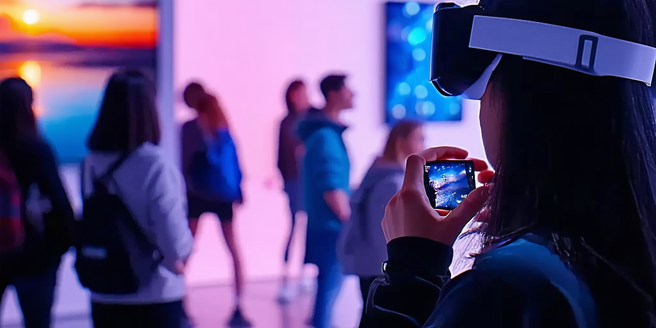
Exploring the Evolution of Digital Art Platforms
Digital art platforms have witnessed a significant transformation over the years. From basic software that replicated traditional art methods to advanced platforms that integrate AI and machine learning, the evolution is remarkable. Early platforms primarily focused on digital painting and photo editing. However, modern platforms now offer 3D modeling, immersive virtual reality experiences, and more. This progression has made art more accessible and diverse, allowing artists to experiment with new styles and techniques. As platforms continue to evolve, they provide endless creative possibilities, making digital art a dynamic and ever-growing field. Artists are now able to collaborate and share their work on a global scale, further fostering a sense of community and innovation. The marriage of technology and creativity continues to redefine the boundaries of artistic expression.
Top Creativity Tools for Aspiring Artists
For aspiring artists, choosing the right creativity tools is crucial. Today, digital tools are not just about creating art; they are about enhancing and enriching the creative process. Software like Adobe Creative Cloud or Corel Painter offers comprehensive features for digital painting and graphic design. For those interested in 3D art, Blender and ZBrush provide powerful modeling capabilities. Additionally, Procreate has become a popular choice for iPad users due to its intuitive interface and robust features for digital sketching. These tools empower artists to bring their visions to life with precision and flexibility. They also enable artists to experiment with new techniques and styles, expanding their artistic repertoire. With the right tools, artists can transform their creative ideas into tangible works of art, pushing the boundaries of what’s possible.
How Technology Enhances Artistic Expression
Technology has profoundly impacted artistic expression, offering innovative ways for artists to create and share their work. From digital painting software to virtual reality, these technological tools provide new mediums for expression and creativity. Artists can now explore different artistic styles, experiment with new tools, and even collaborate with artists worldwide. The introduction of AI in art allows artists to merge traditional methods with digital innovation, enhancing their creations with unique, algorithm-driven elements. Social media and online platforms have also broadened the reach of artists, enabling them to connect with audiences globally and gain recognition for their work. This fusion of technology and art not only enriches the creative process but also opens up new avenues for artistic inspiration and expression.
Digital Art Communities: Where Creatives Thrive
Digital art communities have become essential in fostering creativity and collaboration among artists. These platforms provide spaces where artists can share their work, receive feedback, and connect with like-minded individuals. Communities such as DeviantArt, ArtStation, and Behance offer opportunities for artists to showcase their portfolios and engage with their peers. These networks help in building relationships and expanding professional connections, often leading to new opportunities and collaborations. Besides online platforms, forums and social media groups also play a pivotal role in creating supportive environments for artists of all levels. Participating in these communities not only enhances an artist’s skills but also keeps them motivated and inspired by the diverse works shared by others.
The Future of Art in a Digital Age
The future of art in the digital age looks promising, with technology driving new possibilities and paradigms. As digital tools and platforms continue to evolve, they will offer artists greater freedom and flexibility in their creative processes. Emerging technologies such as augmented reality (AR) and artificial intelligence (AI) will become integral to artistic practices, enabling more immersive and interactive experiences. Blockchain and NFTs (non-fungible tokens) are also transforming the way art is bought and sold, offering new avenues for monetization and ownership. These technological advancements will not only redefine the creation and consumption of art but also expand the audience’s engagement with artworks. As we move forward, the interplay between technology and art will undoubtedly lead to unprecedented creative breakthroughs, shaping the future of the art world.