Biometrics In Personal Security
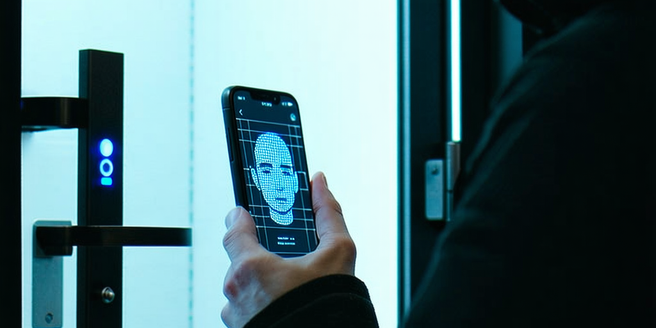
Understanding Biometrics and Its Role in Security
Biometrics refers to the measurement and statistical analysis of people’s unique physical and behavioral characteristics. It is increasingly being used as a form of identity verification and access control. The primary goal of biometric security is to improve safety by using the unique identifiers, such as fingerprints, facial recognition, or voice patterns, which are far less likely to be duplicated or used fraudulently than traditional systems like passwords or PINs. Biometric systems provide a high level of security because they are based on individual traits that are not easily transferable. As technology evolves, the accuracy and reliability of biometric systems continue to improve, making them a critical component in safeguarding personal information in a digital world.
The Evolution of Biometric Technology
Biometric technology has undergone significant transformation since its inception. Initially used primarily in law enforcement, the application of biometrics has expanded rapidly into everyday personal use. As security concerns have risen, the demand for more reliable identification systems has surged. Early forms of biometrics, like fingerprinting, have evolved into more sophisticated systems that integrate facial recognition, iris scanning, and even behavioral biometrics such as typing patterns. The evolution has been driven by advances in computing power and artificial intelligence, allowing for the processing and analysis of complex biometric data with increased accuracy and speed. This technological progress has resulted in widespread adoption in various sectors, from smartphone authentication to border security, illustrating the dynamic and expanding role of biometrics in modern society.
Common Biometric Systems in Personal Devices
Personal devices have increasingly adopted biometric systems due to their convenience and enhanced security features. Among the most common biometric systems are fingerprint sensors, which are ubiquitous in smartphones, allowing users to unlock their devices with a simple touch. Facial recognition systems have also gained popularity, offering a hands-free approach to security that scans a user’s unique facial features. Iris scanning, although less common, provides another layer of security by examining unique patterns in the colored part of the eye. Voice recognition is becoming more prevalent as well, often used in conjunction with digital assistants to enhance user interaction. These systems represent the forefront of personal device security, offering a seamless and often more secure alternative to traditional methods.
Benefits of Biometrics Over Traditional Security Measures
Biometric security systems hold significant advantages over traditional security measures like passwords and keys. One of the primary benefits is the difficulty in replicating biometric traits, such as fingerprints or facial features, making unauthorized access more challenging. With technology constantly evolving, the accuracy of biometric systems continues to improve, further enhancing security. Unlike passwords, biometrics do not require memorization or carry the risk of being forgotten, lost, or stolen. They also offer a more seamless user experience by integrating directly with personal devices and systems, often enabling faster and more accurate authentication. Additionally, biometrics provide an additional layer of security, as they are less susceptible to phishing attacks or password guessing. This positions biometrics as a pivotal advancement in personal and digital security landscapes.
Addressing Privacy Concerns with Biometric Data
While biometric data offers enhanced security, it raises significant privacy concerns that need addressing. The collection and storage of biometric information require stringent safeguards to prevent misuse or unauthorized access. Unlike passwords, biometric data is immutable; once compromised, it cannot be changed. Therefore, implementing robust encryption methods and secure databases is crucial to protect this sensitive information. Additionally, transparency in how biometric data is collected and utilized is critical for gaining and maintaining user trust. Legislations and industry standards for privacy protection are also vital to ensure compliance and accountability. Educating users about their rights and the security measures in place can help alleviate privacy concerns while harnessing the security benefits of biometric systems.