Dual-sim Smartphones: Versatile Communication Devices
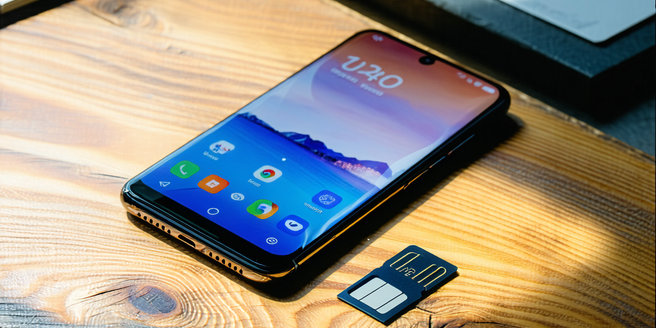
Benefits of Using Dual-SIM Smartphones
Dual-SIM smartphones provide multiple advantages, enabling users to maintain two numbers within a single device. This capability is particularly beneficial for those who travel frequently as it allows the use of a local SIM card while keeping their home number active. Additionally, dual-SIM phones are ideal for managing work-life balance since they let users separate personal calls from business ones. They also offer cost-saving opportunities by allowing users to choose between different carriers for the best rates. Moreover, having two SIMs provides better network coverage options as you can switch to a different carrier if one network is weak. Overall, dual-SIM smartphones bring convenience and flexibility, aligning with modern digital lifestyles.
Understanding How Dual-SIM Technology Works
Dual-SIM technology enables a device to hold and use two different SIM cards simultaneously. Typically, these smartphones have two slots, allowing the user to insert SIM cards from different telecom providers. The technology comes in two main types: Dual SIM Standby and Dual SIM Active. In Dual SIM Standby, both SIMs are active but take turns receiving calls/messages, with priority given to the first to be used. Dual SIM Active, on the other hand, allows both SIMs to operate independently and simultaneously for calls or data services. With hardware and software advancements, users can manage SIM settings, such as designating primary and secondary data networks. Understanding these differences aids users in choosing the right dual-SIM functionality for their needs.
Key Features to Look for in Dual-SIM Devices
When choosing a dual-SIM smartphone, certain features can enhance user experience significantly. Key considerations include network compatibility, ensuring the device supports the networks of both SIM cards. Look for models offering Dual SIM Active technology for seamless call management on both numbers. Battery efficiency is crucial, as maintaining two networks can drain power more quickly; therefore, opt for phones with robust battery life. Additionally, internal storage and RAM dictate performance, particularly when juggling data and apps across two numbers. The device’s user interface should simplify managing SIM configurations. Lastly, newer models with eSIM options offer added flexibility by allowing remote SIM management, future-proofing your device for mobile technology advancements.
Comparing Popular Dual-SIM Smartphone Brands
Navigating the dual-SIM smartphone market reveals key players renowned for quality and innovation. Brands like Samsung, Xiaomi, and OnePlus offer versatile models balancing performance, design, and price. Samsung’s Galaxy series stands out for its robust features and widespread network compatibility. Xiaomi provides budget-friendly options without compromising essential features, ideal for cost-conscious users. OnePlus appeals to tech enthusiasts with its seamless Android interface and reliable hardware. Huawei offers competitive alternatives, focusing on camera and battery life excellence in their dual-SIM devices. These brands cater to a range of preferences, ensuring there’s a dual-SIM smartphone suited for business travelers, photographers, and everyday users. Comparing these brands highlights diversity in specifications, making it crucial to align choices with user-specific needs.
How to Manage Multiple SIM Cards Efficiently
Managing multiple SIM cards in dual-SIM smartphones requires effective strategies to maximize benefits. Start by prioritizing one SIM for data usage to avoid incurring unnecessary charges and manage data caps efficiently. Setting distinct ringtones for each SIM helps in identifying calls quickly. Utilize built-in phone settings to delineate SIM roles, such as designating work and personal numbers. Periodically review and adjust mobile plan benefits to ensure both SIMs provide optimal cost-efficiency. Leverage applications that assist in tracking usage statistics, offering insights into calling patterns, and data consumption. Finally, ensure both SIM cards cover different network providers to maintain connection reliability especially if frequent travel or variable network coverage is a factor. Smart management of these strategies allows users to fully harness dual-SIM benefits.
Exploring Future Trends in Dual-SIM Technology
The future of dual-SIM technology is shaped by ongoing advancements that promise to enhance versatility and convenience further. One prominent trend is the rising adoption of eSIM technology, eliminating the need for physical cards and allowing users to switch carriers through a software interface effortlessly. The integration of 5G networks will bolster dual-SIM capabilities, offering lightning-fast data speeds and reliable connections, significantly affecting how users manage multiple networks. Additionally, AI-driven software improvements might personalize SIM management, predicting user needs for switching networks dynamically. As mobile operators continue evolving, dual-SIM usage may become more integrated with IoT devices, enriching connectivity in smart homes and vehicles. These forecasts reflect a trajectory towards more seamless, powerful multi-network mobile experiences.