Robot Vacuums: Automating Floor Cleaning
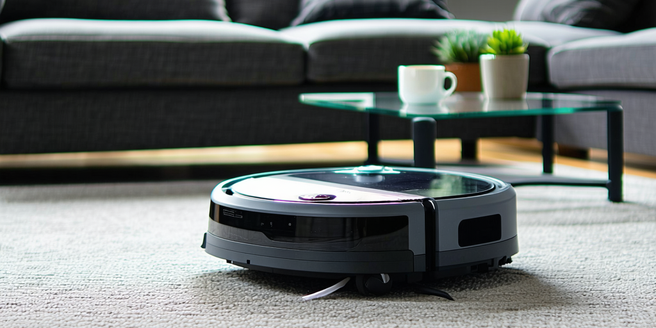
The Rise of Robot Vacuums in Modern Homes
Robot vacuums have seen a surge in popularity in modern households. This rise is largely due to the increasing demand for convenient home automation solutions. These compact machines are designed to clean floors with minimal human intervention, freeing up time for homeowners to focus on other tasks. Equipped with sensors and smart technology, robot vacuums can navigate rooms autonomously. Their ability to tackle various flooring types, avoid obstacles, and even return to their charging docks has made them an attractive choice. As homes become smarter, the adoption of these efficient little helpers continues to grow. Their appeal lies in their ability to seamlessly integrate into daily routines, providing a hands-off approach to maintaining clean floors.
How Robot Vacuums Work: A Detailed Overview
Robot vacuums operate using a combination of technologies that allow them to navigate and clean effectively. They are equipped with sensors, cameras, and sometimes lasers to map out the environment. These tools help the vacuum avoid obstacles, prevent falls down stairs, and efficiently cover all areas of a room. The vacuum suctions dirt and debris using brushes and a powerful motor. Some advanced models even adapt their cleaning patterns to match floor types or dirt levels. They are typically powered by rechargeable batteries and return to a docking station to charge. The intelligent design and software enable robot vacuums to operate autonomously, with minimal user intervention required, often controlled via mobile apps or voice commands.
Top Benefits of Using Robot Vacuums for Cleaning
Robot vacuums offer numerous benefits, making them an appealing choice for home cleaning. Firstly, they save time, as they can clean floors without direct supervision, allowing homeowners to focus on other tasks. Their compact design enables them to access hard-to-reach areas, such as under furniture. They are also efficient in maintaining regular cleanliness, often operating on scheduled routines to keep floors dust-free continuously. Additionally, many models come with advanced features, such as HEPA filters to improve air quality by trapping allergens. The convenience of controlling these devices through apps or voice commands further enhances their usability. Overall, robot vacuums provide an effective, hands-off approach to floor cleaning.
Key Features to Consider When Buying a Robot Vacuum
When selecting a robot vacuum, several key features should be considered to ensure it meets your cleaning needs. Battery life is crucial; longer battery life ensures more extensive cleaning without frequent charging. Suction power is also important, especially for homes with pets or carpets. Look for models with efficient navigation systems, such as laser-guided mapping, for thorough room coverage. Consider the size and design if you have low-clearance furniture. Additionally, some models offer customizable cleaning modes and support for virtual boundaries. It’s also beneficial to choose a vacuum with app functionality for remote control and scheduling. Understanding these features will help you select a robot vacuum that best suits your home environment.
Challenges and Limitations of Robot Vacuum Technology
Despite their popularity, robot vacuums have some challenges and limitations that consumers should be aware of. One major issue is their difficulty navigating cluttered spaces, which can impede their cleaning efficiency. They may also struggle with high-pile carpets or large debris. Battery life can limit how long they can operate, affecting their ability to clean large homes thoroughly. Additionally, robot vacuums require regular maintenance, such as emptying dustbins and cleaning filters and brushes. While technology continues to improve, these constraints may affect their performance. They are best suited for maintaining cleanliness rather than deep cleaning tasks, highlighting the need for complementary cleaning methods.
Future Trends in Robotic Floor Cleaning Innovations
The future of robotic floor cleaning looks promising, with several exciting innovations on the horizon. Upcoming trends include the use of AI to enhance pathfinding and obstacle detection, making vacuums more efficient. There’s also a growing integration of IoT, allowing devices to communicate with smart home systems for optimized cleaning schedules. Additionally, advancements in battery technology promise longer operation times and faster charging. Some manufacturers are exploring multi-functional robots that combine vacuuming with mopping. As these technologies evolve, robot vacuums are likely to become even more autonomous and capable of delivering superior cleaning performance, fitting seamlessly into smart home ecosystems.