Wireless Earbuds: Sound Analysis
Understanding Wireless Earbud Technology
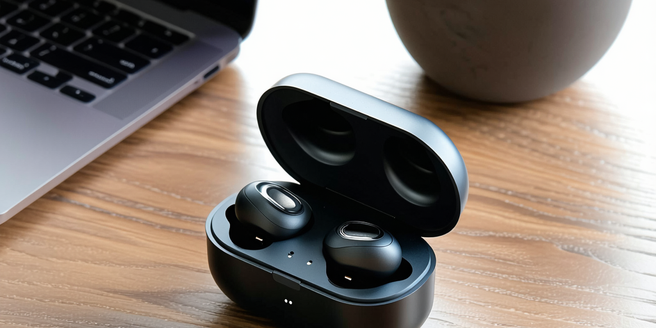
Wireless earbud technology has rapidly evolved to enhance user experience. At the core, Bluetooth connectivity has been pivotal, allowing seamless integration with various devices. The shift to True Wireless Stereo (TWS) technology, which eliminates any wired connection between earpieces, further extended convenience and comfort. Advanced charging cases have increased battery life significantly, while touch controls and voice assistant integration have made interactions more intuitive. Sound quality has also seen improvements, driven by advancements in codec technology like aptX and LDAC, which ensure high-resolution audio streaming. Despite these technological strides, challenges such as connectivity stability and latency remain key areas for ongoing development. With further innovations on the horizon, understanding the engineering behind these devices is crucial for both casual listeners and audiophiles.
Key Features to Consider in Sound Quality
When assessing wireless earbuds, sound quality is paramount. The first feature to consider is the driver technology. Dynamic drivers, known for deeper bass, contrast with balanced armature drivers, which provide clarity and accuracy in sound reproduction. Frequency response is another key factor, indicating the range of sounds the earbuds can produce, with a wider range generally delivering richer audio. Codec support plays a critical role; codecs like aptX HD and LDAC ensure higher quality audio transmission over Bluetooth. Soundstage and imaging contribute to the experience by creating a sense of space and positioning of instruments. Lastly, customizing sound through an equalizer allows users to fine-tune the audio to personal preference. Evaluating these features can significantly enhance the listening experience, making them essential considerations in the decision-making process.
Comparing Sound Profiles of Popular Brands
The sound profiles of wireless earbuds can greatly differ across brands. Apple’s AirPods Pro are renowned for their balanced sound, providing crisp highs and well-defined mids that suit a variety of genres. In contrast, Sony’s WF-1000XM4 is notable for its bass-heavy profile, appealing to those who prefer genres like hip-hop or electronic music. Bose’s QuietComfort Earbuds excel in offering a natural sound profile with exceptional noise cancellation, while Samsung’s Galaxy Buds Pro delivers a versatile sound suited for dynamic listening experiences. Each brand employs unique technology to cater to different auditory preferences. Understanding the distinctions between these sound profiles helps consumers select earbuds that best match their personal taste, ensuring a satisfying audio experience across different applications.
The Role of Noise Cancellation in Clarity
Noise cancellation technology critically enhances sound clarity in wireless earbuds by reducing ambient distractions. There are two main types: active noise cancellation (ANC) and passive noise isolation. ANC uses microphones to detect environmental noise and generates soundwaves that counteract these noises, delivering a clearer audio experience. This technology is beneficial in noisy environments like public transportation or offices, allowing users to focus on music or calls without interference. Passive noise isolation, achieved through earbud design and fit, blocks out sound physically. Both methods improve listening quality, but ANC has a more profound effect on clarity and immersion. With the continuous advancement of ANC technology, users enjoy heightened sound purity and an ability to fine-tune the level of noise suppression, adapting to various situations with ease.
Affordable Options with Superior Sound Performance
Finding cost-effective wireless earbuds with impressive sound performance is no longer a rarity. Brands like Anker, Jabra, and Soundcore offer models that compete with premium options, delivering robust audio quality at a fraction of the price. These affordable earbuds incorporate essential features such as Bluetooth 5.0 connectivity, ensuring stable transmission and extended battery life to enhance convenience. Despite their lower cost, they do not compromise on sound, often including features like customizable equalizers and various ear tip sizes to ensure a perfect fit and optimal passive noise isolation. Advances in audio drivers and silicone material quality have also played a role, providing balanced sound profiles with distanced bass and clear midranges. Consumers seeking budget-friendly alternatives can thus enjoy a rich auditory experience without the premium price tag.