Voice Technology In Cars
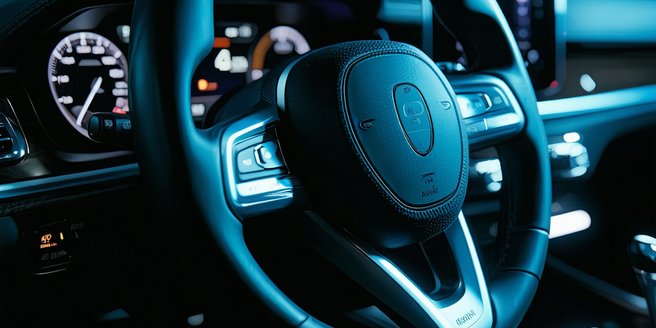
The Evolution of Voice Technology in Automobiles
The integration of voice technology in automobiles has undergone significant advancements since its inception. Initially introduced as a novelty feature, it has rapidly evolved into a central component of modern car interfaces. Early systems focused on simple voice-activated controls, such as adjusting the radio or making phone calls. With advancements in artificial intelligence and natural language processing, these systems now offer sophisticated functionalities, including navigation, climate control, and multimedia management. The evolution has shifted from purely functional commands to understanding context, user preferences, and even anticipating driver needs. This transformation underscores the increasing importance of voice technology in enhancing driver convenience and safety by minimizing distractions and allowing drivers to keep their attention focused on the road.
Key Benefits of Voice-Controlled Features
Voice-controlled features in cars provide a range of benefits that enhance the driving experience. One of the primary advantages is increased safety, as drivers can operate navigation, communication, and entertainment systems without taking their hands off the wheel or their eyes off the road. Voice systems also offer convenience by allowing users to perform complex tasks through simple voice commands, such as setting destinations or controlling in-car environments. Additionally, these systems are designed to be adaptive and learn from individual user preferences, resulting in a more personalized experience. The integration of voice technology with smartphones and other devices also enables seamless connectivity and access to real-time information. Overall, voice-controlled features significantly contribute to a more intuitive, safer, and connected driving experience.
Challenges and Limitations of In-Car Voice Systems
Despite the advances in voice technology, in-car voice systems face several challenges and limitations. A primary concern is the accuracy and reliability of voice recognition, often hindered by accents, background noise, or understanding specific language nuances. These challenges can result in frustrating user experiences and limited functionality. Another issue is privacy and security, as voice data potentially exposes sensitive information if not properly protected. The integration of voice systems with diverse car models and varied technology infrastructures also presents compatibility challenges. Additionally, while voice systems aim to minimize driver distraction, poorly designed interfaces or complex command sequences can inadvertently increase it. Continuous enhancements in artificial intelligence and machine learning are necessary to overcome these obstacles and improve the efficiency and user-friendliness of in-car voice systems.
Popular Voice Assistants in the Automotive Industry
The automotive industry has embraced several popular voice assistants to enhance the driving experience. Among the most notable are Apple’s Siri, Amazon’s Alexa, and Google Assistant, each offering unique features tailored for in-car use. Siri integrates seamlessly with Apple’s ecosystem, providing hands-free control and easy access to iPhone functionalities. Amazon Alexa allows users to control smart home devices from the car and offers an extensive range of third-party skills. Google Assistant excels in providing quick, accurate information and integrates with a host of Google services for seamless navigation and entertainment. Automakers are increasingly developing partnerships with these tech giants to embed these assistants directly into vehicle infotainment systems, thus expanding their reach and improving the overall user experience.
Future Trends in Car Voice Technology
The future of car voice technology is set to be transformative as advancements continue to push the boundaries of what’s possible. One of the key trends is the deep integration with artificial intelligence to provide context-aware and predictive interactions, improving personalization for drivers. The continued evolution of natural language processing will make these systems more conversational, able to understand complex instructions and multi-tasking requests. Furthermore, as connectivity increases, car voice systems will become more integrated with IoT devices, enabling seamless interactions beyond the vehicle. Automakers are also exploring augmented reality displays with voice integration for enhanced driver information systems. As technology advances, these innovative trends will redefine the capabilities and expectations of in-car voice systems, making the driving experience more intuitive and enjoyable.