Cutting-edge Laptops Redefining Portability
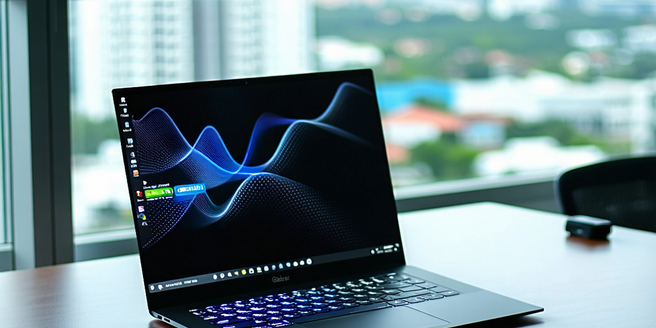
The Evolution of Laptop Portability
For decades, laptops have been at the forefront of mobile technology, evolving from bulky, cumbersome machines into sleek, powerful devices. The concept of portability initially revolved around reducing size and weight, but today it encompasses much more. Technological advancements in materials and components have enabled manufacturers to produce laptops that are not only lighter but also more durable. This transformation has allowed users to take their work and entertainment on the go, liberating them from the confines of a desk. As a result, laptops are now integral to modern life, adapting to the needs of students, professionals, and creatives alike. Their continuous evolution reflects our changing lifestyles and the demand for more flexible, efficient technology.
Innovations Driving Compact Designs
Innovations in laptop design have shifted from merely shrinking dimensions to integrating revolutionary components that maximize functionality in compact bodies. New materials, such as carbon fiber and magnesium alloys, provide strength without added weight. Meanwhile, advancements in microprocessor technology allow for increased power in smaller packages. Hybrid designs, like 2-in-1 laptops, combine the benefits of a laptop and tablet, offering versatility in a single device. Furthermore, the move to solid-state drives has significantly decreased device thickness and enhanced performance speeds. Collectively, these innovations ensure modern laptops are not only portable but also equipped to meet the advancing demands of users, delivering robust computing power and seamless multitasking capabilities.
Performance Meets Lightweight Construction
Today’s laptops strike a perfect balance between high performance and lightweight design, empowering users to achieve more on the go. The introduction of multi-core processors and integrated GPUs means that even ultra-thin laptops can handle resource-intensive tasks such as video editing or gaming. These processors are energy-efficient, contributing to longer battery life. Additionally, the use of lightweight materials ensures that these powerful devices are easy to carry. Manufacturers focus on thermal management, employing advanced cooling technologies that prevent overheating without adding bulk. This synergy of performance and construction means users no longer have to choose between portability and power, ensuring productivity anywhere.
Battery Life: Breaking Free from Outlets
Innovations in battery technology are transforming laptops into truly mobile devices, capable of running all day without a recharge. New battery chemistries, such as lithium-polymer, offer greater energy density, while efficient power management software optimizes power usage. Fast-charging capabilities ensure minimal downtime, providing several hours of use from just a few minutes of charging. Manufacturers are developing adaptive systems that adjust energy expenditure based on activity, extending battery life during light tasks. As battery life continues to improve, users can rely on their laptops for long periods, whether they are working remotely, traveling, or simply moving between meetings, freeing them from constant proximity to power outlets.
The Role of Connectivity in Modern Laptops
Connectivity remains a cornerstone of modern laptop functionality, unlocking a vast array of possibilities for users. Contemporary laptops are equipped with state-of-the-art Wi-Fi and Bluetooth technologies, facilitating seamless integration with other devices and networks. High-speed wireless connections support streaming, remote collaboration, and cloud computing, which have become essential in an increasingly interconnected world. USB-C and Thunderbolt ports provide enhanced data transfer speeds and compatibility with a wide range of peripherals, from storage devices to external displays. Moreover, the advent of 5G networks promises even faster and more reliable internet access, positioning laptops as powerful tools for both personal and professional use.
Future Trends in Portable Computing
The future of portable computing looks promising, with several trends set to reshape the landscape. Flexible displays may lead to foldable laptops, offering larger screens without sacrificing portability. Artificial intelligence is poised to enhance user experience through smart features and predictive algorithms. The integration of augmented and virtual reality could redefine how users interact with their devices, providing immersive experiences. Another emerging trend is eco-friendly computing, with manufacturers focusing on sustainability through recyclable materials and energy-efficient components. As technology advances, laptops will continue to evolve, meeting the demands of increasingly mobile lifestyles while pushing the boundaries of what portable devices can achieve.