High-quality Microphones For Clear Communication
Understanding Different Types of Microphones
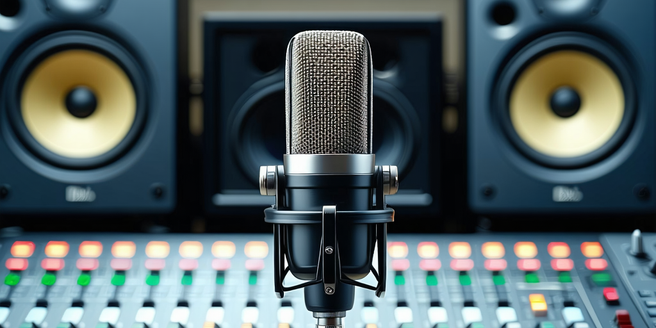
Microphones come in various types, each suited to specific recording needs. Dynamic microphones are known for their durability and are ideal for live performances or environments with high sound pressure levels. Condenser microphones, on the other hand, are preferred in studio settings due to their sensitivity and ability to capture a wide range of frequencies. Ribbon microphones, with their vintage appeal, are celebrated for their natural sound reproduction and are often used for vocal and acoustic instrument recordings. Each type has its own strengths and weaknesses, making it essential to understand your recording environment and purpose before selecting one. Apart from these, USB microphones have gained popularity for simple plug-and-play features, making them a convenient choice for podcasters and home studio enthusiasts.
Key Features to Look for in Quality Microphones
When selecting a microphone, several key features should be considered to ensure you achieve the desired audio quality. The first is the frequency response, which defines the range of frequencies the microphone can capture. A flat and wide frequency response is generally preferred for accurate sound reproduction. Polar pattern is another crucial characteristic, determining how sound is picked up from different directions; options include cardioid, omnidirectional, and bidirectional. Sensitivity and impedance levels can affect how the microphone interacts with other audio equipment. Additionally, build quality, including the materials used and the construction, impacts the microphone’s durability. Integrated features like in-built pop filters can also be beneficial in reducing unwanted noise. Prioritizing these features can vastly enhance your audio recordings.
Top Microphone Brands for Crisp Communication
The microphone market is flooded with brands offering a wide array of options, but a select few stand out for their commitment to quality and clarity. Shure is synonymous with reliability and delivers high-grade microphones such as the SM58, a staple in live performances. Rode, known for its innovative designs, caters to both professional and amateur content creators with models perfect for studio recording. Audio-Technica is renowned for its balanced sound quality and offers versatile options for various audio applications. Neumann is the go-to choice for studio professionals seeking top-notch condenser microphones, with iconic models like the U87. Finally, Sennheiser delivers excellent audio reproduction and is a favorite for broadcast and recording professionals. Each of these brands brings a legacy of excellence.
How to Choose the Best Microphone for Your Needs
Choosing the right microphone involves understanding your specific needs and the environment in which you’ll be using it. Begin by assessing the type of application—whether it’s for live performance, studio recording, podcasting, or video conferencing. Consider the acoustic environment, as this will determine whether you need a microphone with a particular polar pattern to reject unwanted noise. Budget constraints play a major role, and it’s important to balance quality with affordability. Test different microphones if possible, paying attention to how well they capture the nuances of your voice or instruments. Research and reviews can provide additional insights into user experience and performance reliability. With careful consideration of these factors, you can select a microphone that complements your unique needs.
Maintenance Tips to Ensure Longevity of Microphones
Proper microphone maintenance is crucial to ensure longevity and optimal performance. Start by keeping the microphone clean and free from dust and moisture; regularly use a soft, dry cloth for cleaning, and store it in a protective case when not in use. Avoid dropping or aggressively handling the microphone as physical shock can damage sensitive components. Pay close attention to the microphone’s grille and diaphragm by regularly checking for any signs of wear or damage. It is also essential to disconnect the microphone cables carefully to prevent bending or breaking the connectors. Additionally, if the microphone is used frequently in different environments, a periodic professional servicing can help maintain its sound quality. Following these tips will extend the life of your microphone investment.