Tech Innovations In Music Production
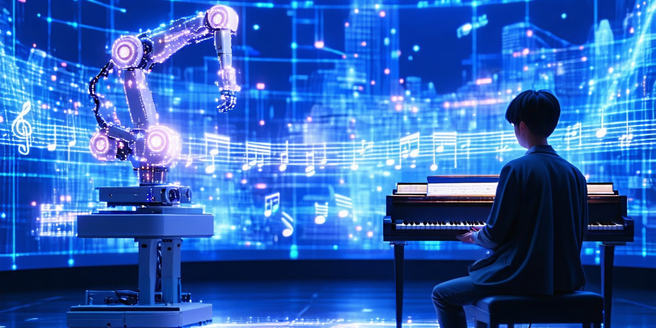
The Rise of AI in Music Composition
Artificial Intelligence is reshaping the landscape of music composition by enabling machines to create melodies, harmonies, and even lyrics. With the help of algorithms, AI models analyze vast amounts of musical data to generate unique compositions, finding patterns mimicking human creativity. This innovation allows musicians to explore uncharted territories, offering new platforms for creativity and collaboration. While some argue that AI-produced music lacks the emotional depth of human creations, it undeniably provides an excellent resource for artists seeking inspiration or wanting to push the boundaries of conventional music-making. By transforming AI from a tool of automation to a creative partner, artists and producers can leverage its abilities to enhance their own creative processes, thereby democratizing music creation and allowing for more diverse and innovative sounds.
Virtual Reality: A New Dimension for Music Creation
Virtual Reality (VR) is entering the realm of music creation, serving as an immersive tool that enhances the way artists produce and experience music. By utilizing VR technology, musicians can now compose in 3D spaces, offering a multisensory experience that traditional 2D interfaces cannot. This leap allows artists to virtually step inside their compositions, manipulating soundscapes with intuitive gestures, thereby transforming abstract concepts into tangible elements. For budding musicians and seasoned artists alike, VR represents a frontier where visual and auditory art forms converge, fostering a new level of creativity. This innovation not only redefines how music is created but also how it is understood, offering audiences an enriched, interactive listening experience that blurs the boundaries between reality and imagination.
Blockchain Technology: Revolutionizing Music Distribution
Blockchain technology is set to revolutionize the music industry by reshaping how content is distributed and monetized. By creating decentralized platforms, blockchain facilitates direct and transparent transactions between artists and listeners, eliminating the need for traditional intermediaries. This innovation empowers musicians by granting them greater control over their work, ensuring fair compensation, and fostering a secure ecosystem for digital rights management. In this new landscape, artists can establish smart contracts that automate royalty payments, offering financial transparency and efficiency. Blockchain’s potential to disrupt traditional record label models promises a more equitable future for musicians and an enriched experience for fans, who can engage with artists more directly. By ensuring provenance and preventing piracy, blockchain solidifies its role as a transformative force in music distribution.
The Impact of Wearable Tech on Live Performances
Wearable technology is transforming live performances by enhancing audience interaction and artist expression through innovation. Devices like smart glasses and sensor-equipped clothing offer performers new ways to engage with their audience, synchronizing precise visual and auditory elements in real-time. This technological shift allows artists to deliver more dynamic and interactive shows, offering fans a personalized, immersive experience. Wearable tech also provides invaluable data insights, helping musicians tailor their performances to better suit audience preferences and elevate the overall concert experience. As this technology advances, it enables artists to push creative boundaries, resulting in performances that captivate and invigorate. The integration of wearables in live music events marks a significant evolution, allowing for unprecedented levels of artistic experimentation and audience immersion.
Cloud-Based Tools: Collaboration Like Never Before
The advent of cloud-based tools in the music industry is revolutionizing collaboration by enabling artists to work together seamlessly across distances. These tools allow musicians to share projects, edit tracks, and produce music in real-time, regardless of their geographical location. With advancements in cloud technology, studio-quality tools and resources are more accessible, facilitating creativity and innovation among artists of all levels. The ability to collaborate in the cloud fosters diverse musical partnerships, enriching the creative process and resulting in a plethora of genre-spanning works. For both emerging and established musicians, cloud-based platforms not only streamline workflows but also provide a flexible environment for experimentation. This development signifies a new era of music production, encouraging a collective approach to creativity and broadening the horizons of what’s possible in music-making.