3d Printing Evolution
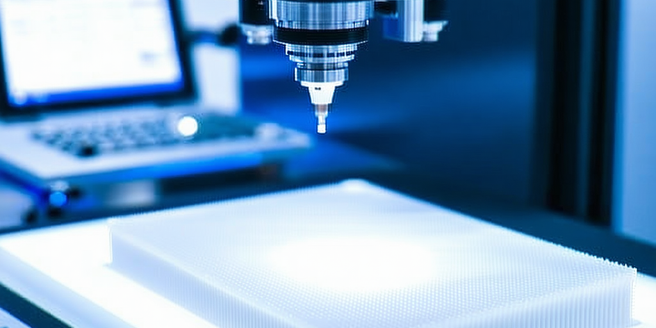
The Origins of 3D Printing Technology
The origins of 3D printing trace back to the 1980s, when the first iteration of this transformative technology was developed. Charles Hull, a pioneer in the field, introduced the world to stereolithography, a process that laid the foundation for modern 3D printing. Initially, 3D printing was seen as a novel method for rapid prototyping, enabling designers and engineers to create physical models from digital designs quickly. As the technology evolved, it expanded beyond its initial use, capturing the interest of various industries. Research and innovation led to the development of new printing methods and materials, broadening its applications. Despite its humble beginnings, 3D printing has revolutionized manufacturing processes, providing unparalleled customization and efficiency.
Advancements and Innovations in 3D Printing
Since its inception, 3D printing has undergone significant advancements, significantly expanding its capabilities. The introduction of new technologies like Selective Laser Sintering (SLS) and Fused Deposition Modeling (FDM) has diversified the applications of 3D printing. Innovations in materials, including metals, ceramics, and biocompatible polymers, have further pushed its boundaries. Today, 3D printing is employed in producing complex aerospace components, customized medical implants, and even in the food industry. Researchers are continually exploring novel uses, such as 3D printing in construction to create sustainable housing solutions. The rise of hobbyist and consumer-grade 3D printers has made the technology more accessible, encouraging a culture of innovation at all levels, from individual creators to multinational corporations.
Impact of 3D Printing on Various Industries
3D printing technology has profoundly impacted numerous industries, reshaping traditional manufacturing methods and enabling innovation. In healthcare, it allows for the production of customized prosthetics and implants, leading to personalized treatment solutions. The automotive and aerospace sectors leverage 3D printing for lightweight, complex parts that enhance performance while reducing waste. In education, it serves as an engaging tool for students, fostering creativity and practical skills. Notably, 3D printing also plays a crucial role in rapid prototyping, allowing for quicker iterations and product development. The fashion industry uses 3D printing to push the boundaries of design, creating intricate patterns and custom-fit garments. Additionally, the technology’s ability to produce on-demand manufacturing reduces inventory costs and waste. This versatility and potential for innovation continue to drive its adoption across various fields.
The Role of Materials in 3D Printing Evolution
Materials play a crucial role in the evolution of 3D printing, affecting the capabilities and potential of the technology. Initially limited to plastic filaments, 3D printing materials have diversified into a wide array, including metals, ceramics, and composites. Each material brings unique properties, such as strength, flexibility, or conductivity, enabling specialized applications across industries. One exciting development is the use of graphene-based materials, which offer exceptional strength and conductivity. The development of biocompatible materials has facilitated breakthroughs in medical applications, from prosthetics to tissue engineering. Furthermore, material research continues to push the boundaries, aiming for sustainability through biodegradable or recycled materials. The ongoing innovation in materials not only enhances functionality but also broadens the scope of 3D printing applications, making it an ever-evolving and exciting field.
Future Trends in 3D Printing Technology
The future of 3D printing technology looks promising, with trends pointing towards even greater integration into various sectors. One notable trend is the continued improvement in speed and efficiency, making mass production feasible. The development of multi-material and multi-color printing capabilities offers new creative possibilities. In the medical field, advancements in bioprinting bring the prospect of printing human tissues and organs closer to reality. Another trend is the growing emphasis on sustainability, with efforts to develop eco-friendly materials and energy-efficient printing processes. The rise of industrial-scale 3D printers is set to transform traditional manufacturing landscapes. As technology continues to advance, 3D printing will undoubtedly play a critical role in shaping the future of production and innovation.