Innovative Smart Devices
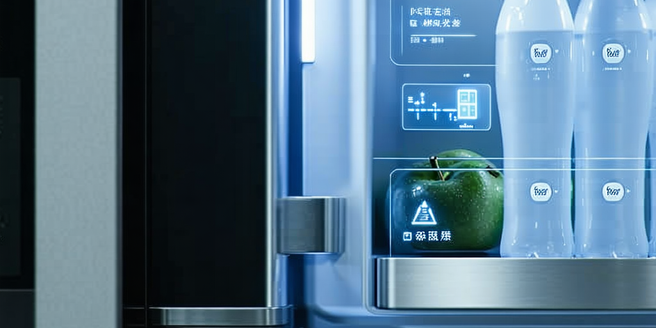
The Rise of Smart Home Technology
Smart home technology has transformed the way we interact with our living spaces. From voice-controlled lights to intelligent thermostats, these devices offer unprecedented convenience and efficiency. No longer confined to niche markets, smart home devices are increasingly becoming mainstream, driven by advances in AI and IoT. This shift has led to a greater variety of products, accommodating a wider range of consumer preferences. Users can now control various aspects of their homes remotely, creating customized environments that adapt to their lifestyle needs. This technology is not only about convenience but also about enhancing security. With smart security systems, homeowners can monitor their properties with ease, receiving alerts in real-time. This technological evolution is a testament to how far we’ve come, illustrating the limitless potential of smart home innovation.
Wearable Gadgets: Revolutionizing Personal Health
Wearable gadgets have become integral to personal health management. Devices like smartwatches and fitness trackers provide users with valuable insights into their health metrics, promoting better lifestyle habits. The rapid advancement of technology has made these wearables more accessible and affordable to the general public. By continuously monitoring data such as heart rate, physical activity, and sleep patterns, these wearables help users stay informed about their well-being. The integration of AI allows for personalized health recommendations and timely alerts for anomalies. With the growing adoption of such gadgets, we’re witnessing a shift towards proactive health management. Wearables have empowered individuals to take charge of their health, bridging the gap between medical practitioners and patients through real-time health monitoring.
Smart Devices in the Automotive Industry
The automotive industry is being transformed by smart devices, which are making vehicles more efficient, connected, and safe. Modern cars are equipped with sensors and AI technology that allow for advanced features like autonomous driving, real-time traffic updates, and predictive maintenance. As technology progresses, the line between vehicles and digital ecosystems becomes increasingly blurred. These innovations enhance the driving experience while improving safety by reducing human error. With each technological advancement, the potential for creating more personalized driving experiences grows. Connectivity also enables seamless integration with smart home systems and other IoT devices, offering a more cohesive user experience. As car manufacturers continue to invest in smart technologies, the automotive landscape is rapidly evolving, paving the way for next-generation vehicles.
Eco-friendly Innovations in Smart Devices
The push towards sustainability has led to significant eco-friendly innovations in smart devices, impacting both manufacturing processes and end-user energy consumption. Companies are increasingly adopting sustainable materials and energy-efficient technologies in device production. Solar-powered gadgets and those with low power consumption are becoming popular as consumers demand more environmentally conscious options. As more businesses recognize the importance of reducing their carbon footprint, the industry sees a continuous influx of innovative solutions tailored for eco-conscious users. Smart devices are also encouraging responsible usage by providing users with energy-saving insights and automation, which minimizes waste. This trend reflects a broader shift towards green technology, highlighting the potential for smart devices to contribute to a more sustainable future.
The Future of Artificial Intelligence in Smart Tech
Artificial intelligence (AI) is set to revolutionize smart technology, offering endless possibilities for innovation. AI-powered devices can analyze data to provide personalized recommendations, predict user behavior, and automate routine tasks, enhancing user experience. With advancements in machine learning and natural language processing, smart devices are becoming more intuitive and user-friendly. The integration of AI is leading to the development of intelligent ecosystems that seamlessly connect various aspects of daily life. These ecosystems also prioritize user privacy, ensuring that sensitive information is protected. In these ecosystems, devices can communicate and cooperate with each other to deliver a more cohesive experience. As AI continues to evolve, we can expect smart technology to become even more adaptive, driving significant changes in how we interact with devices.