Tech Trends Impacting Remote Work Environments
The Rise of AI in Remote Work Tools
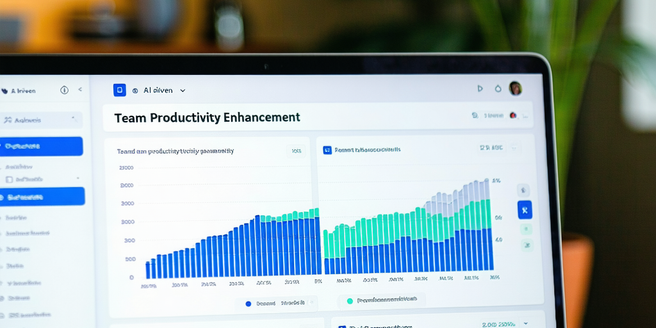
The integration of AI in remote work tools has revolutionized how teams operate from afar. AI-driven platforms are increasingly being utilized to automate routine tasks, streamline workflows, and provide real-time data analytics. By incorporating machine learning algorithms, these tools can predict project outcomes, track productivity, and even suggest areas for improvement based on historical data. This allows teams to make data-driven decisions with a higher degree of confidence. Additionally, AI-powered virtual assistants have become indispensable, managing schedules and facilitating communication between remote team members. As AI technology evolves, its role in enhancing remote work efficiency and productivity continues to expand, offering businesses the ability to rapidly adapt to new challenges and opportunities.
Cloud Computing: Backbone of Remote Infrastructure
Cloud computing has become the backbone of remote work infrastructure, enabling employees to access resources and collaborate with unparalleled flexibility. Offering solutions such as virtual desktops, file storage, and scalable applications, cloud platforms provide a seamless environment for remote operations. With an increase in the adoption of cloud solutions, businesses can remain competitive in the fast-evolving market. These services eliminate the need for physical hardware, reduce overhead costs, and enhance data security through sophisticated encryption and compliance measures. Moreover, the flexibility of cloud computing enables organizations to swiftly adjust to shifts in workload demand, ensuring continuity and productivity in any setting. As more companies embrace a hybrid work model, leveraging the power of the cloud remains a critical strategy for sustaining and enhancing remote work initiatives.
Collaboration Platforms Enhancing Productivity
Collaboration platforms have become vital tools in enhancing productivity for remote teams. By providing a unified space for communication, file sharing, and project management, these platforms ensure that team members stay connected and coordinated, no matter their physical location. Tools like Slack, Microsoft Teams, and Zoom have revolutionized how we interact within professional settings, offering chat functions, video conferencing, and integration with other productivity tools. These platforms enable asynchronous and synchronous communication, accommodating diverse workflows. Improved collaboration technologies also foster a sense of community, reducing the feelings of isolation often associated with remote work. As these tools continue to evolve, their capabilities will further break down barriers to efficient communication and collaboration.
Cybersecurity Challenges in a Remote Setting
With the rise of remote work, cybersecurity has become more crucial than ever. The shift away from traditional office spaces has exposed vulnerabilities in corporate networks, making them prime targets for cyberattacks. Employees accessing sensitive information from multiple devices and networks pose significant security risks. To address these challenges, companies are investing in cutting-edge technologies and innovative solutions. Businesses must adopt robust cybersecurity protocols, including the implementation of VPNs, multi-factor authentication, and rigorous employee training to mitigate threats. Furthermore, maintaining updated software and conducting regular security audits are essential to safeguarding data. As cyber threats continue to evolve, organizations must stay proactive in their cybersecurity strategies, ensuring that remote work environments are not only efficient but also secure from potential breaches.
5G Technology: Speeding Up Remote Connectivity
The advent of 5G technology stands to significantly enhance remote connectivity and productivity. With its promise of faster speeds, reduced latency, and greater bandwidth, 5G enables seamless video conferences, real-time collaboration, and instantaneous data transfer. This new standard of mobile internet accelerates the adoption of emerging technologies like virtual and augmented reality, further transforming remote work dynamics. It also encourages the development of new remote work applications and tools tailored to leverage these capabilities. As businesses rely more on remote working solutions, the expanded capabilities of 5G networks will facilitate more reliable and stable connections, especially in previously underserved areas. As more regions access 5G, the upsurge in connectivity will empower remote workers with unprecedented opportunities for innovation and efficiency.