Workplace Automation Tools
Introduction to Workplace Automation
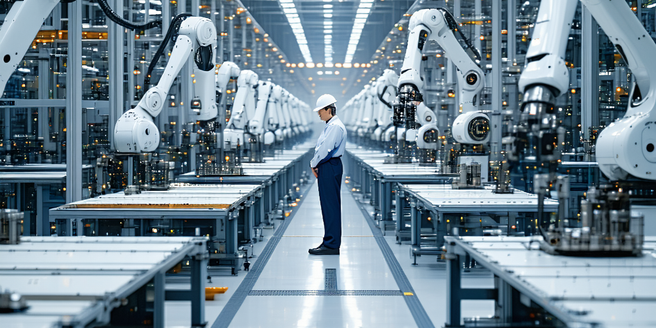
Workplace automation refers to the use of technology to perform tasks that were previously completed by humans. As businesses look to increase efficiency and reduce costs, automation offers a compelling solution. By automating repetitive tasks, organizations can free up employee time to focus on higher-value activities that drive growth. From simple scripting tools to advanced AI, automation can be applied to a variety of processes. The initial investment in automation technology can lead to significant long-term savings, reducing operational costs and streamlining workflows. Automation not only impacts productivity but also enhances accuracy and consistency, minimizing the risk of human error.
Benefits of Implementing Automation Tools
Adopting automation tools in the workplace offers numerous advantages, including improved efficiency, cost savings, and enhanced productivity. By handling repetitive and time-consuming tasks, these tools allow employees to focus on more strategic work, thereby increasing overall contribution to organizational goals. Automation can reduce errors, leading to better quality outputs and consistency across workflows. Furthermore, implementing automation can lead to a significant reduction in employee burnout by eliminating mundane tasks. Additionally, it can facilitate better use of data and insights, aiding in informed decision-making. Moreover, automation can be a crucial factor in scaling operations, allowing businesses to handle increased demands without a corresponding rise in resources.
Top Automation Tools for Project Management
Project management automation tools have revolutionized how teams operate by enhancing collaboration, tracking, and reporting. Among the top tools are Asana, Trello, and Jira, each offering unique features to streamline project workflows. These tools integrate task management, communication, and progress-tracking into a cohesive platform. By providing real-time insights and analytics, project managers can make informed decisions quickly. They offer capabilities like automated notifications, task dependencies, and deadline reminders, ensuring that projects stay on schedule. By eliminating the need for manual updates and paper trails, these tools enable project managers to focus on strategic decision-making and team leadership, fostering a more productive and cohesive work environment.
Streamlining Communication with Automation
Communication is key in any workplace, and automation can significantly enhance how information is shared and received. Tools like Slack and Microsoft Teams offer features such as automated reminders, message scheduling, and integration with other apps, ensuring seamless communication. With the right setup, these tools can be customized to fit the unique needs of any team. Automation can also facilitate quick access to information by directing queries to relevant resources or team members. By reducing the time spent on back-and-forth communications, employees can focus more on their core tasks. Moreover, automated meeting notes and follow-ups help in maintaining transparency and accountability across the team.
Improving Productivity Through Automatic Scheduling
Automatic scheduling tools like Google Calendar and Calendly have become indispensable in the modern workplace. They help in managing meetings, appointments, and deadlines efficiently by automating the scheduling process. These tools eliminate the back-and-forth of email exchanges, allowing users to set availability and let others book time accordingly. In today’s fast-paced environment, such efficiency is crucial for maintaining productivity. With features such as reminders, time zone adjustments, and integration with other applications, automatic scheduling ensures that employees can focus on more critical tasks. This automation not only saves time but also reduces stress associated with managing multiple schedules.
Future Trends in Workplace Automation
The future of workplace automation is poised for rapid growth, driven by advances in artificial intelligence and machine learning. Emerging trends include hyper-automation, where organizations leverage multiple technologies to automate virtually every business function. The integration of AI-driven analytics will offer deeper insights and predictive capabilities, allowing businesses to anticipate change and adapt quickly. With the increasing adoption of cloud-based solutions, remote work automation is set to expand, enabling seamless collaboration across geographies. Automation will not only transform existing processes but also create new roles and opportunities, underscoring the need for ongoing employee training and skill development.