Virtual Reality Applications
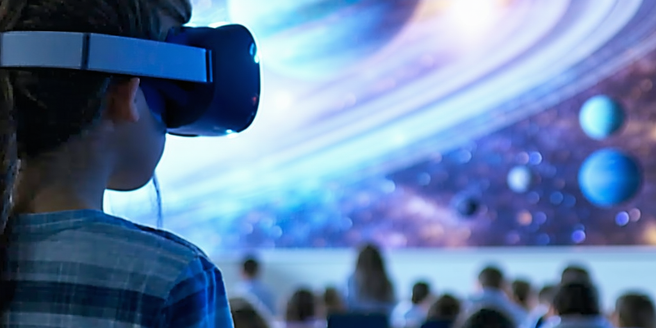
Exploring Virtual Reality in Gaming
Virtual reality has revolutionized gaming by creating immersive experiences that transcend traditional gameplay. VR platforms offer players unparalleled interactivity, allowing them to step into the game world and interact with their environment in real-time. Whether descending into ancient dungeons or piloting spacecraft across distant galaxies, VR gaming delivers a level of realism that’s both thrilling and captivating. The technology enables physical movement to be translated directly into the game, providing a sense of presence that increases player engagement. This sense of immersion is further enhanced by sophisticated haptic feedback systems, which simulate touch sensations, elevating the experience. As developers continue to innovate, the boundaries of virtual gaming environments expand, offering new challenges and narratives. VR in gaming represents not only a leap in technology but also in how stories are told, making players an essential part of the unfolding narrative.
The Role of VR in Education and Training
Virtual reality is transforming education and training by offering immersive learning environments that enhance understanding and retention. In classrooms, VR can transport students to historical sites, distant planets, or inside the human body, offering experiential learning that is both engaging and informative. For training, VR provides a risk-free environment where individuals can practice complex procedures, from surgical operations to emergency response, without the associated dangers. By simulating real-world scenarios, VR helps learners develop skills in a hands-on way that traditional methods cannot match. Furthermore, it enables personalized learning experiences where individuals can learn at their own pace, revisiting challenging concepts as needed. As VR technology advances and becomes more accessible, its role in education and training is set to grow, offering innovative solutions for diverse learning needs across various disciplines and industries.
Virtual Reality in Healthcare and Therapy
Virtual reality is making significant strides in healthcare, offering new avenues for treatment and therapy. In rehabilitation, VR provides customized exercises that patients can perform in a controlled, motivating environment, improving outcomes for conditions like stroke and traumatic brain injuries. It also plays a pivotal role in pain management, where VR experiences distract patients from discomfort by immersing them in calming virtual worlds. For mental health, VR provides innovative approaches to exposure therapy, allowing individuals to confront and manage their fears in a safe, controlled setting. This therapeutic potential is evidenced in treatment of PTSD, anxiety disorders, and phobias. By simulating realistic environments, VR enables therapists to deliver effective, engaging treatment. As this technology evolves, its ability to complement traditional medical practices will likely expand, offering versatile solutions for a wide range of healthcare challenges.
Transforming the Retail Experience with VR
Virtual reality is set to revolutionize the retail sector by creating immersive shopping experiences that transcend the constraints of physical stores. Through VR, customers can explore virtual showrooms, trying out products in a three-dimensional space that mimics real-life settings. This technology allows users to visualize items in their home environments or try on virtual clothing, providing a personalized shopping experience that increases consumer satisfaction and reduces return rates. Retailers can also use VR to craft engaging, brand-oriented experiences that tell a story beyond traditional advertising. This immersive approach not only attracts tech-savvy consumers but also provides valuable data insights into consumer behavior, helping retailers tailor their offerings. As VR becomes increasingly adopted, it promises to reshape the retail landscape, blending digital convenience with the sensory richness of in-person shopping, heralding a new era for the industry.
Virtual Reality and Its Impact on Social Interactions
Virtual reality is reshaping social interactions by creating new spaces for connection and communication. Through VR platforms, users can engage with friends and family across the globe, sharing virtual experiences as if they were in the same room. These environments foster a sense of presence and closeness, making interactions feel more genuine than traditional video calls. In addition to personal connections, VR facilitates social networking by bringing people together around shared interests and activities, from gaming and concerts to virtual meetups and educational workshops. By transcending geographical boundaries, VR can promote inclusivity and diversity, enabling individuals from different backgrounds to connect and collaborate in meaningful ways. However, it also presents challenges, such as ensuring privacy and managing social etiquette in virtual spaces. As VR technology continues to develop, it holds the potential to redefine how we interact and communicate in a digital age.