3d Printers: Anycubic Vs. Creality
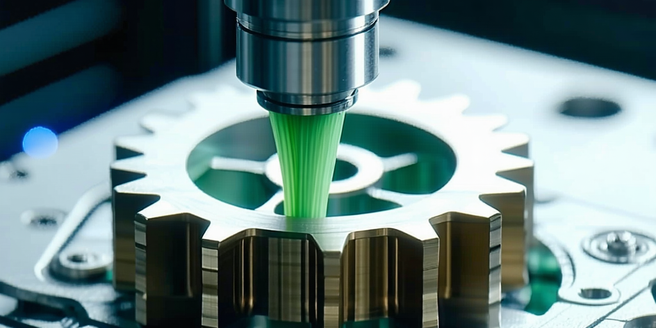
Overview of 3D Printing Technologies
3D printing, also known as additive manufacturing, is a revolutionary method of producing a three-dimensional object from a digital file. It involves adding materials layer by layer until a complete structure is formed. Known for its versatility, 3D printing can utilize various materials including plastics, resins, and metals. Technologies like Fused Deposition Modeling (FDM), Stereolithography (SLA), and Selective Laser Sintering (SLS) are prominent in the industry. Each technology has distinct advantages, with FDM being popular for its cost-effectiveness and SLA renowned for high-resolution outputs. As the technology evolves, it promises more customization, speed, and accessibility in fields ranging from manufacturing to healthcare. With continuous advancements, 3D printing is set to redefine traditional production processes.
Key Features of Anycubic 3D Printers
Anycubic has carved a niche in the 3D printing industry by offering reliable and affordable machines. Known for easy assembly and user-friendly features, their models like the Anycubic i3 Mega are designed to support both beginners and experienced users. A standout feature of Anycubic printers is their ultra-base platform which ensures excellent adhesion during printing and easy removal of finished prints. These features make Anycubic an attractive choice for hobbyists and professionals alike. Many models are equipped with TFT touch screens for intuitive control and have resumed printing functionalities to handle power outages. Anycubic’s Photon series, tailored for resin printing, offers high precision and excellent detail quality. Besides, robust community support and frequent firmware updates enhance the user experience.
Highlights of Creality 3D Printers
Creality is highly regarded for producing versatile and budget-friendly 3D printers that cater to a wide audience. The Creality Ender and CR series have earned a reputation for their plug-and-play functionality and modular design. Users appreciate the ease of set-up and operation these machines offer. Creality printers often come with features like large build volumes and the ability to handle different filament types, providing flexibility in the creation process. The Ender 3, for instance, is lauded for its remarkable print quality despite its economical price point. Creality also supports robust open-source software, allowing for extensive customization options. Furthermore, their consistent product innovation and vast community support network make Creality a go-to choice for hobbyists and professionals alike.
Comparative Analysis: Print Quality and Speed
When comparing Anycubic and Creality 3D printers, print quality and speed are pivotal considerations. Anycubic printers, particularly their resin models, are acclaimed for delivering high-resolution outputs with fine details and smooth finishes. Their reliability in consistently producing high-quality prints has garnered a loyal user base. Creality models, with their FDM technology, offer competitive print quality, especially for larger projects. In terms of print speed, FDM models from Creality can be faster due to their filament-based printing process. However, when it comes to intricate designs, Anycubic’s resin printers provide precision despite slightly longer printing times. Each brand offers specific advantages depending on user priorities, whether for efficiency in production or precision in detail.
User Experience and Customer Support
User experience and customer support are critical factors in selecting a 3D printer. Anycubic is praised for its detailed user manuals and responsive technical support, which aids users in the setup and troubleshooting processes. Their dedication to customer feedback ensures that software updates continually improve printer performance. This commitment to quality has earned them a loyal customer base. In addition, Anycubic frequently introduces innovative models that appeal to both beginners and experienced users. Creality, with its extensive online communities, provides robust peer support and a wealth of shared resources. Moreover, Creality’s wide availability of spare parts and upgrades facilitates easy maintenance and customization. Both brands maintain active online platforms for sharing tutorials and solutions, thus enhancing the overall user experience and satisfaction.