Augmented Reality Shopping
Introduction to Augmented Reality in Retail
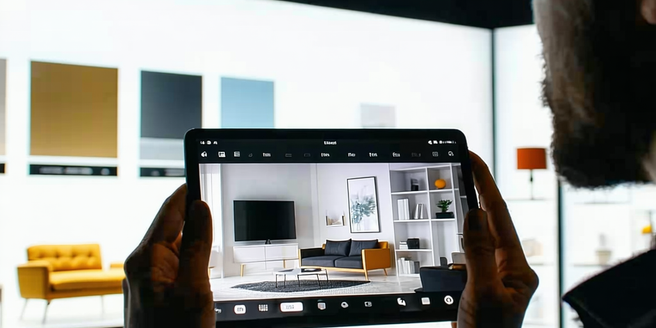
Augmented Reality (AR) is revolutionizing the retail industry by merging the digital and physical shopping experiences. This technology allows customers to interact with products in a virtual space, providing a new level of engagement and information. Retailers can showcase their products in 3D, enabling consumers to visualize how items like furniture or clothes would fit into their lives. As more customers seek personalized experiences, AR becomes an invaluable tool for meeting their preferences. Early adopters have seen not only increased customer satisfaction but also enhanced sales conversion rates. By delivering immersive and interactive experiences, AR offers retailers a competitive edge, and as hardware and software improve, the barriers to implementation continue to decrease, making AR a compelling option for businesses looking to innovate.
How AR Transforms the Shopping Experience
Augmented Reality transforms shopping by providing interactive and immersive experiences. This technology allows customers to virtually try on products, such as clothing, accessories, or makeup, without physically handling them. It also bridges the gap between online and offline shopping experiences, making it easier for consumers to make informed decisions. With AR, consumers can visualize how a new piece of furniture will look in their home or compare different product styles easily. The use of AR in physical and online stores reduces the hesitation many customers feel when making a purchase decision. By offering personalized recommendations and detailed product previews, AR enhances customer engagement and satisfaction, ultimately leading to higher sales and lower return rates. Retailers embracing AR are witnessing significant transformations in how consumers shop and experience their brands.
Top Retailers Embracing AR Technology
Several top retailers are leading the charge in adopting AR technology. Brands like IKEA, Sephora, and Nike have integrated AR into their shopping experiences, providing customers with unique and engaging ways to interact with products. By embracing these technologies, they are enhancing customer satisfaction and loyalty. IKEA’s AR app allows users to visualize how furniture items will look and fit in their rooms before buying. Sephora’s Virtual Artist app enables customers to try on makeup virtually, ensuring they find the perfect product match. Nike uses AR to provide accurate shoe sizing and enhance the fitting experience. These retailers are setting the standard for how AR can be effectively implemented, showcasing its potential to transform the retail landscape.
Challenges and Limitations of AR Shopping
While AR offers exciting opportunities for retail, it also presents challenges and limitations. One significant hurdle is the technical demand; developing high-quality AR experiences requires substantial resources, including skilled developers and advanced software. Additionally, many consumers may still lack the necessary hardware, such as smartphones capable of running AR apps. There are also concerns about privacy and data security, as AR experiences often rely on collecting user information to deliver personalized content. This reliance on data collection can lead to ethical considerations regarding user consent and transparency. Furthermore, ensuring consistent and accurate product representations in AR can be challenging. Retailers must address these issues to fully leverage AR’s potential, necessitating careful planning and investment.
Future of Augmented Reality in Retail Commerce
The future of AR in retail commerce looks promising as technology advances and consumer demand for unique shopping experiences grows. With the rapid development of AR hardware and software, retailers will have more opportunities to create innovative and realistic virtual environments. Future applications may include augmented fitting rooms, virtual storefronts, and enhanced customer service interactions. Moreover, AR can provide data-driven insights that will help retailers understand consumer behavior better. As 5G networks expand, AR experiences will become more seamless and accessible. Retailers who invest in developing robust AR strategies will likely benefit from increased customer loyalty and competitive positioning. AR is set to become an integral part of the retail landscape, driving evolution in consumer interaction and engagement.