Power Backup Solutions For Home Work
Understanding Different Power Backup Options
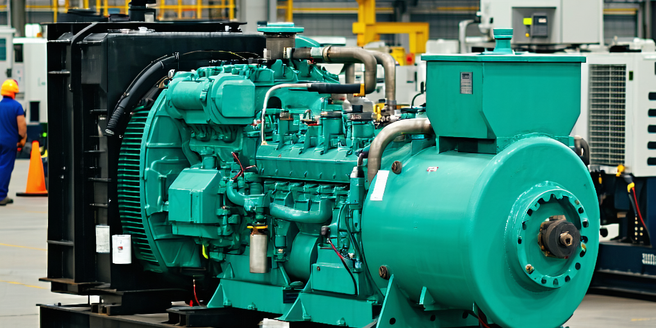
Choosing the right power backup system for your home depends on various factors. Uninterruptible Power Supplies (UPS) are excellent for short-term outages, providing instant power transition. Generators, available in portable and standby versions, offer a more robust solution for prolonged outages but require fuel. Solar power systems harness renewable energy and store it in batteries for backup, making them environmentally friendly. Hybrid systems combine these options to maximize reliability and efficiency. When selecting a backup power source, consider your power needs, duration of potential outages, and environmental impact. Evaluate the system’s scalability and maintenance requirements. By understanding the available options, you can make an informed decision that ensures your home remains powered during unexpected outages.
How to Choose the Right Backup System
Selecting the ideal backup system begins with assessing your home’s power requirements. Calculate the essential appliances and devices that must remain operational during an outage. Consider the typical duration of local outages. UPS systems are suitable for brief interruptions, while generators handle longer periods but necessitate regular fueling. Solar power offers a sustainable option if you have a suitable location for panels. Examine the system’s capacity to expand with future energy needs. Ensure compatibility with existing infrastructure and evaluate installation complexity. Cost is a vital factor—balance immediate budget constraints against long-term savings on power bills. Prioritize reliability and manufacturer reputation. With careful consideration, you can choose a backup system that meets your household’s unique needs, ensuring continuity and peace of mind.
Top Battery Backup Units for Home Use
When evaluating battery backup units for home use, look for models known for reliability and efficiency. Among the top contenders are the Tesla Powerwall, LG Chem RESU, and Enphase Encharge. The Tesla Powerwall is popular for its high storage capacity and seamless integration with solar panels. LG Chem RESU units offer a compact design, ideal for those with limited space. Enphase Encharge systems provide modularity and can be expanded as energy needs grow. Assess battery life, discharge cycles, and warranty conditions to ensure long-term performance. Consider the installation process — some units require professional setup while others may offer DIY options. Compare the cost implications of each system, including potential savings through energy rebates or incentives. Selecting a top-tier battery backup can significantly enhance your home’s power resilience.
Integrating Solar Power for Sustainable Backup
Integrating solar power as a sustainable backup solution involves installing photovoltaic panels to capture sunlight, which is then converted into electricity and stored in batteries for later use. This method reduces reliance on non-renewable energy sources and diminishes electricity bills. To start, evaluate your roof’s solar exposure and space availability. Consult with a solar energy provider for system sizing based on your home’s energy demands and regional sunlight hours. Modern solar installations often pair with smart inverters and battery systems for optimal energy management. Grid-tied systems offer the flexibility of drawing from the utility grid when solar power is insufficient. Local incentives or tax credits can offset initial costs. Regular maintenance, like cleaning panels and updating software, ensures efficiency over time. Solar power integration aligns with sustainable living while providing reliable energy security.
Maintaining and Testing Your Backup System
Regular maintenance and testing of your backup system are crucial for ensuring its readiness during power outages. For battery backup units, perform periodic checks on battery health, capacity, and connections. Keep the system free from dust and debris, which may affect performance. Update any software or firmware to maintain efficiency and compatibility. For generators, conduct routine inspections of fuel levels, oil, and filters, ensuring the engine operates smoothly. Test the generator by running it under load regularly to confirm its operational status. Solar power systems require cleaning of panels to maximize sun absorption. Monthly checks of connections and inverters can prevent unexpected failures. Document all maintenance actions and establish a schedule to adhere to manufacturer recommendations. Proactive care and testing can extend the lifespan of your backup system, ensuring it functions when needed most.