Robots: Domestic And Commercial Use
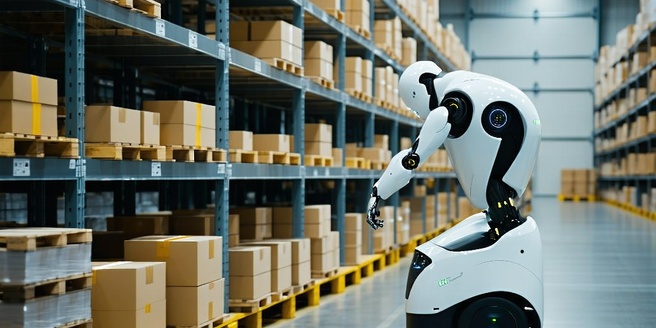
Introduction to Robots in Modern Life
In recent years, robots have become an integral part of modern life, revolutionizing industries and enhancing everyday experiences. From autonomous vacuum cleaners in homes to sophisticated manufacturing robots in factories, their versatility and efficiency are unmatched. These mechanical beings are programmed to perform tasks with precision, reducing human error and increasing productivity. As technology advances, robots are becoming more accessible, with a gradual shift from being exclusively industrial to being commonplace in domestic environments. This transition is driven by the demand for convenience, safety, and improved living standards. Society is witnessing a revolution where robots coexist with humans, contributing positively to different facets of life. Consequently, understanding their functions and potential is crucial for adapting to this technological era.
Evolution of Domestic Robots: Convenience at Home
Domestic robots are evolving rapidly, making everyday tasks easier and more efficient. The journey began with basic machines that required a degree of human intervention and has now progressed to fully autonomous systems capable of performing complex chores. Vacuuming, lawn mowing, and even companionship can now be trusted to these mechanical assistants. The underlying technologies, such as sensors, artificial intelligence, and machine learning, facilitate a smooth interaction between these robots and their environment. Consumers are increasingly inclined to invest in these technologies for the unmatched convenience they offer. The evolution reflects the demand for products that save time, reduce physical strain, and enhance personal comfort. Consequently, these robots are becoming less of a luxury and more of a necessity in modern households, signifying a new era of home convenience.
Commercial Robots: Revolutionizing Industry Standards
Commercial robots are transforming industrial landscapes, setting new standards for efficiency and innovation. These machines play pivotal roles in sectors such as manufacturing, logistics, healthcare, and agriculture. They handle everything from assembly lines to precise surgical procedures, minimizing risks and increasing productivity. The use of robots in commercial settings provides a competitive edge, offering solutions that are both precise and cost-effective. The integration of robotics into industries is not just a trend, but a necessity for staying ahead in a fast-paced, technological world. As businesses strive to improve quality and consistency, robots offer an invaluable assistance by handling repetitive and hazardous tasks. This revolution is reshaping the way industries operate, pushing for more flexible and agile production processes.
Balancing Automation and Human Interaction
As robots become more embedded in daily life, striking a balance between automation and human interaction emerges as a critical challenge. While robots excel in handling repetitive, precise, and hazardous tasks, human presence remains irreplaceable in roles requiring empathy, creativity, and emotional intelligence. Automation has ameliorated workload burdens but raises concerns about job displacement and the erosion of human touch. To harmonize this relationship, collaborative robots, or cobots, have been developed to work alongside humans, enhancing capabilities without replacing them. Industries are strategizing to leverage robots’ strengths while nurturing human talent through reskilling and upskilling initiatives. The goal is a synergistic integration where both robots and humans thrive, ensuring technological progress translates into societal benefits without compromising humanity’s innate roles.
The Future of Robots: Trends and Innovations
The future of robotics is promising, marked by trends and innovations that envision smarter, more versatile machines. Researchers and engineers are focusing on developing robots with enhanced cognitive capabilities, enabling them to learn, adapt, and interact more naturally with their surroundings. Key innovations include improvements in sensor technologies, artificial intelligence, and the Internet of Things, allowing robots to be more autonomous and responsive. In the coming years, we expect to see breakthroughs that will make robots more collaborative and intuitive in various settings. From healthcare and disaster response to exploration and personal assistance, the potential is vast. As society embraces these advancements, it is vital to address ethical and social implications, ensuring robots augment human capabilities rather than overshadow them. The journey ahead is both exciting and filled with opportunities for profound transformation.