Protecting Hearing With Noise-canceling Headphones
Understanding Noise-Induced Hearing Loss
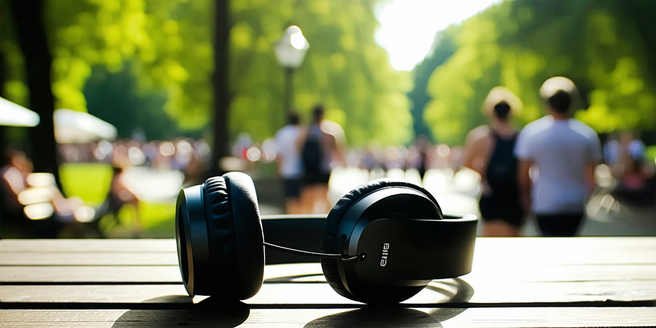
Noise-induced hearing loss occurs when exposure to harmful sounds damages the sensitive structures of the inner ear. This can happen over time with repeated exposure to loud noises or from a single instance of a very loud sound. These sounds can stem from various sources, including machinery, music, or traffic. The damage is often gradual, making it difficult for individuals to notice the loss initially. Wearing protective devices like noise-canceling headphones can mitigate this risk by reducing the overall sound exposure. By understanding the sources and effects of harmful noise levels, individuals can make informed decisions and take proactive steps to preserve their hearing health.
How Noise-Canceling Technology Works
Noise-canceling technology reduces unwanted ambient sounds by using active noise control. It involves microphones placed inside the ear cups that detect external sound waves. Then, the headphones generate sound waves that are the exact opposite (antiphase) of the detected noise. This principle, known as destructive interference, cancels out the noise, allowing the user to enjoy clearer audio at lower volume levels. Different models might use varied combinations of passive and active noise reduction techniques, but the core idea is to create a quieter listening environment. Understanding this technology helps users appreciate how these devices can protect their hearing by reducing the need to increase volume levels.
Benefits of Using Noise-Canceling Headphones
There are several benefits to using noise-canceling headphones. Primarily, they protect your hearing by enabling you to enjoy music or other audio content at lower volumes. By minimizing background noise, they reduce auditory stress, which can lead to fatigue and deterioration of hearing over time. These headphones also enhance focus and productivity in noisy environments, whether it’s a bustling office or a crowded airplane. Furthermore, they can improve the quality of your listening experience, delivering crisper, clearer sounds free from distractions. Consequently, noise-canceling headphones are a valuable tool for maintaining auditory health and enhancing your overall sound experience.
Choosing the Right Noise-Canceling Headphones
Selecting the right noise-canceling headphones involves considering several factors. Start by assessing your primary use—whether you need them for travel, work, or leisure. Comfort is crucial, especially if you plan to wear them for extended periods. Check the battery life, as active noise cancellation can drain batteries quickly. Look for models with reliable and adjustable active noise cancellation settings. Sound quality is paramount, so consider listening to them before purchasing. Finally, price and brand reputation can be indicative of quality. By evaluating these factors, you can find headphones that best meet your needs while offering optimal hearing protection.
Tips for Safe Listening Practices
Adopting safe listening practices is key to protecting your hearing health. Opt for headphones with noise-canceling features to reduce the need for high volume levels. Follow the 60/60 rule: listen at no more than 60% of maximum volume for no longer than 60 minutes at a time. Give your ears regular breaks from headphone use, allowing time to recover. Be mindful of environments where you might inadvertently raise the volume to overcome background noise. Consider using a smartphone app to monitor your listening levels. By incorporating these habits, you can significantly reduce the risk of hearing damage over time.
Comparing Top Noise-Canceling Headphone Brands
When it comes to noise-canceling headphones, several brands stand out for their quality and performance. Bose is renowned for its advanced noise-canceling technology and comfort, often preferred by frequent travelers. Sony offers models with excellent sound quality and effective noise cancellation features, making them popular among audiophiles. Apple has entered the market with AirPods Max, garnering attention for seamless integration with iOS devices and superior spatial audio features. Sennheiser and Bang & Olufsen are also notable for their high-quality sound reproduction and premium build quality. Comparing features, sound profiles, and user reviews can help you choose the best headphones for your specific preferences.