Biometric Access Solutions
Introduction to Biometric Access Solutions
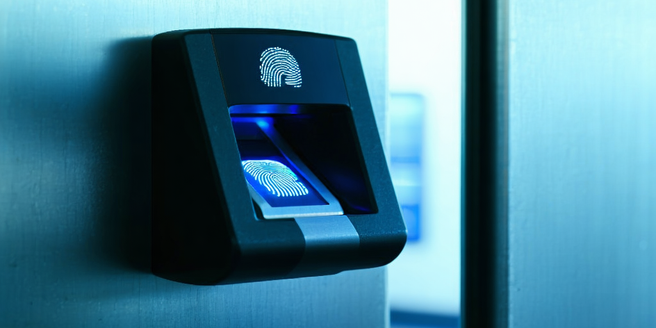
Biometric access solutions refer to authentication systems utilizing unique biological traits, such as fingerprints or facial patterns, to identify individuals. These systems offer enhanced security compared to traditional password-based approaches. With advancements in technology, biometric solutions are becoming more prevalent in securing sensitive data and restricted areas. Many industries, from banking to healthcare, are exploring new ways to integrate biometric technology into their services. They provide a seamless, user-friendly experience while significantly reducing the risk of unauthorized access. However, the implementation of biometric systems requires careful consideration of privacy concerns and data protection regulations. As a result, organizations are investing in robust security measures to safeguard biometric data. The proliferation of mobile devices with biometric capabilities has accelerated the adoption of these technologies in various sectors.
The History and Evolution of Biometrics
Biometrics have roots in ancient Egypt, where identification relied on physical traits. The modern era began in the late 19th century with fingerprint analysis used in forensics. Over time, technological advances expanded biometrics to include facial recognition, iris scans, and voice patterns. The evolution was propelled by the need for more secure authentication methods, driven by increased digitalization and cyber threats. This shift significantly influenced both public and private sectors, urging them to prioritize biometric solutions. Adoption spread beyond law enforcement into everyday applications like unlocking smartphones and securing buildings. As technology evolved, so did the algorithms, making biometric systems more accurate and reliable than ever before, thereby broadening their appeal and usability.
Types of Biometric Authentication Methods
Biometric authentication methods are diverse, each leveraging unique human characteristics. Fingerprint recognition is one of the most common, using the intricate patterns of ridges and valleys on one’s fingers. Facial recognition examines facial features and contours, providing a contactless authentication solution. Iris and retinal scans offer a highly secure form of biometrics by analyzing the eye’s unique structures. Moreover, the integration of biometric systems into everyday devices is becoming increasingly popular, enhancing both user experience and security. Voice recognition assesses vocal characteristics and is used for phone-based verification. Other emerging methods include palm or vein pattern recognition and ear shape analysis. Each type has its own advantages and trade-offs in terms of security, convenience, and cost implications.
Advantages of Using Biometric Access
Biometric access offers numerous advantages, including enhanced security, as it relies on unique physiological traits that are difficult to replicate. Unlike passwords or cards, biometrics cannot be easily lost or forgotten. This improves convenience and user experience by eliminating the need to remember complex passwords or carry identification cards. Biometric systems provide quick and seamless access, greatly reducing authentication time. They also mitigate the risks of identity theft and unauthorized entry. Furthermore, these systems are increasingly being integrated with mobile devices for on-the-go security. The growing popularity of biometric technology underscores its potential to become a standard security measure in various industries. Additionally, administrative overhead is lowered as there is no need for password resets or replacement of lost credentials, making biometrics a cost-effective solution over time.
Security Concerns and Biometric Data Protection
Despite their benefits, biometric systems pose significant security concerns. Biometric data, once compromised, cannot be changed like a password. Ensuring the security of sensitive biometric information is crucial to prevent misuse and identity theft. Encrypted storage and secure transmission of biometric data are vital to safeguarding privacy. Additionally, compliance with privacy regulations is essential for organizations using biometric systems. Implementing user consent mechanisms and transparency about data usage helps build trust with users. Constant monitoring and updating of security protocols are necessary to address emerging threats. Organizations must remain vigilant and adaptable as technology evolves. There is also ongoing concern about potential discrimination and bias in biometric algorithms, emphasizing the need for continuous testing and validation.
Biometric Access in Various Industries
Biometric access is being utilized across a wide range of industries due to its efficiency and reliability. In the financial sector, biometrics enhance security for online banking and ATM transactions. Healthcare facilities use biometric systems to secure patient records and control access to critical areas. In many retail environments, biometric payment methods are being introduced to expedite checkout processes and improve customer experiences. In the transportation industry, biometrics streamline passenger processing at airports. This technology is becoming indispensable for ensuring safety and efficiency in everyday operations. Educational institutions harness biometric attendance systems for accurate recordkeeping. The corporate sector employs biometrics for secure employee access to buildings and systems. Across these industries, biometric solutions improve convenience, enhance security, and increase operational efficiency by mitigating unauthorized access risks.
Integration of Biometrics with Other Technologies
The integration of biometrics with other technologies is revolutionizing the security landscape. Combining biometrics with artificial intelligence enhances accuracy in recognizing individuals by learning from patterns and reducing error rates. IoT devices incorporate biometric sensors for secure, user-friendly interfaces in smart homes. These advancements are shaping the future of personal and enterprise security. Many modern smart devices now rely on biometrics for user authentication and access control. Biometric authentication is boosting cybersecurity by working alongside traditional password systems to add an extra layer of security. Cloud technology supports scalable biometric data storage and management. This synergy of technologies is resulting in versatile solutions that are more robust, reliable, and capable of meeting the dynamic demands of various industries through improved security measures.
Challenges in Implementing Biometric Systems
Implementing biometric systems presents several challenges, including privacy concerns and data security. Storing biometrics securely is crucial to maintaining trust, as breaches could expose sensitive information. Moreover, organizations must ensure they comply with international laws and regulations regarding biometric data usage. The rapid pace of technological advancements necessitates continuous updates to security protocols. There are also technical challenges related to accuracy, such as dealing with varying environmental conditions affecting recognition systems. Ensuring accessibility and fairness in biometric systems is crucial to avoid discrimination. Additionally, scaling and integrating new biometric technologies with existing systems can be costly and complex. Overcoming these challenges requires thorough planning, testing, and adherence to legal standards, along with a clear communication strategy to address user concerns and emphasize system benefits.
Future Trends in Biometric Technology
The future of biometric technology looks promising, with innovations aimed at enhancing security and user experience. Multi-modal biometrics, which combine traits like fingerprints, facial recognition, and voice patterns, are gaining traction for their increased accuracy and robustness. Contactless biometrics, essential in a post-pandemic world, are being refined for greater reliability. The integration of biometrics with blockchain is paving the way for secured, decentralized identity verification systems. Continuous advancements in machine learning are also contributing to the development of more adaptive biometric solutions. Additionally, wearable technology is incorporating biometric sensors for continuous authentication. These trends reflect a focus on enhancing privacy and security, while striving to make biometric technology more user-friendly and widely applicable.
Conclusion: The Impact of Biometrics on Security
Biometrics are shaping the future of security, offering substantial advantages over traditional methods through unparalleled accuracy and convenience. By utilizing unique physiological traits, biometric systems reduce the risk of unauthorized access and identity theft. The widespread adoption across industries highlights their effectiveness in enhancing security protocols. Furthermore, educational institutions are beginning to recognize the potential of biometrics in safeguarding student data and campus security. While challenges such as data privacy and security concerns persist, continuous technological advancements are addressing these issues, paving the way for more secure systems. As biometrics evolve, they will undoubtedly play a critical role in advancing security measures, reflecting their transformative impact on society’s approach to safety and identity verification.