Online Portfolios In Career Advancement
The Importance of Online Portfolios in Today’s Job Market
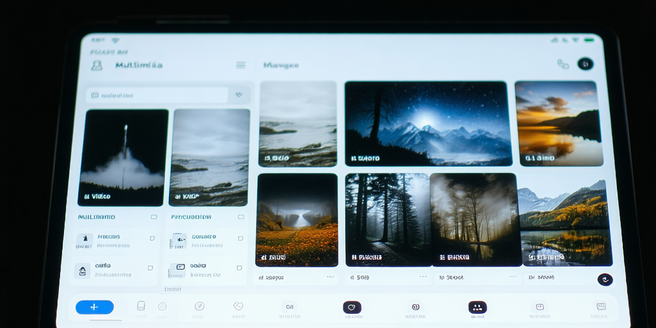
In today’s rapidly evolving job market, online portfolios are not just an asset but a necessity for job seekers. They provide a convenient platform for showcasing skills, experience, and creativity beyond the limitations of a traditional resume. Recruiters increasingly rely on digital platforms to assess potential candidates, valuing portfolios that demonstrate practical experience and accomplishments. This shift highlights the importance of maintaining an updated and comprehensive portfolio, making job seekers more visible and accessible in a crowded market. An online portfolio also offers the flexibility to present work using multimedia elements such as images, videos, and links, further engaging potential employers and setting candidates apart from others who rely solely on standard CVs.
Key Elements to Include in Your Online Portfolio
To make a strong impact, an online portfolio should include several key elements. Start with a clear and concise introduction that communicates who you are and what you do. Following this, include a detailed resume section featuring your professional experience, education, and skills. Be sure to highlight specific projects with accompanying descriptions to provide context for your work. Visuals, such as images or videos of completed projects, can greatly enhance your portfolio’s appeal. Testimonials from clients or colleagues add credibility and personal value. Finally, don’t forget to include up-to-date contact information so that interested parties can easily reach you. These components, cohesively integrated, will present a compelling narrative of your career journey.
Choosing the Right Platform for Your Portfolio
Selecting the best platform for your online portfolio is crucial to effectively showcase your work. Consider platforms like WordPress, Wix, or Squarespace, which offer customizable templates and user-friendly interfaces. For creatives, platforms like Behance or Dribbble provide community exposure and specific tools for showcasing design work. Ensure the platform you select offers mobile optimization since many recruiters will view your portfolio on various devices. Check for integration capabilities with other tools you might use, like LinkedIn or GitHub. The right platform will highlight your strengths, allowing for clean navigation and an aesthetically pleasing presentation, ultimately making it easier for employers to appreciate your talents.
Showcasing Your Work: Tips for Designers and Creatives
For designers and creatives, showing work effectively is crucial to drawing potential employers. High-quality images with detailed project descriptions are essential, helping to communicate the thought process and skills behind each piece. Consider categorizing your work to guide viewers through the portfolio logically. Using ‘before and after’ images can effectively demonstrate design improvements and problem-solving skills. Personal insights or design briefs included with projects add depth and show your ability to manage projects from concept to completion. Regular updates and a selection of both personal and client work ensure a well-rounded showcase. Your portfolio should be a reflection of your unique style and creative journey.
How to Optimize Your Portfolio for Recruiters
Optimizing your portfolio for recruiters involves several strategic steps. Begin by highlighting skills and projects most relevant to the positions you’re targeting. Tailor content to reflect industry standards and demonstrate that you understand field-specific demands. Use clear and professional language throughout, and integrate keywords that recruiters are likely to search for. Portfolio navigation should be intuitive, allowing users to find information effortlessly. Incorporate a call-to-action, inviting recruiters to connect. Ensure all links are functional and easy to access. Regular maintenance is crucial to keep your content fresh and accurate, showcasing your most up-to-date skills and accomplishments.
Success Stories: How Portfolios Have Boosted Careers
Portfolios have been instrumental in advancing careers across various industries. For instance, a graphic designer secured a position at a leading advertising agency after the creative director discovered their online portfolio during a competition. Similarly, a software developer was recruited by a tech giant thanks to a GitHub-linked portfolio that demonstrated coding proficiency and innovative projects. These stories illustrate the power of a well-curated portfolio to attract unsolicited opportunities, turning passive applications into active career advancements. By presenting a cohesive narrative of skills and achievements, portfolios enable professionals to stand out and position themselves for success in a competitive job market.